So, you started a GLP-1 medication…but what now?
While GLP-1 medications can help manage appetite and blood sugar, they can also change how hungry you feel, how much you eat, and how your body responds to food.
Knowing what to eat while taking them is just as important. Getting enough of the right nutrients can help manage side effects, maintain muscle, and support your overall health throughout your journey.
With the right nutrition support, you can make the most of your treatment while building healthy habits that support your long-term health. Working with a nutritionist can help you understand what your body needs and find a balanced approach to nutrition that fits your individual needs and lifestyle.
What Are GLP-1 Medications?
GLP-1 stands for glucagon like peptide 1, a hormone that your body naturally produces after you eat. This hormone helps regulate blood sugar, appetite, and digestion.
GLP-1 medications work by mimicking the effects of this hormone. They help your body manage blood sugar and can reduce hunger while helping you feel full for longer. Some medications also slow down how quickly food leaves your stomach.
Because you may be eating less overall, it becomes especially important to make the food you do eat count.
Why GLP-1 Nutrition is Important
When your appetite decreases, it can be easy to go several hours without eating or to eat much less than what your body needs to maintain muscle, strength, digestion, and energy.
Although eating less may be part of why these medications support weight management, consistently under-eating can make it harder to get the nutrients your body needs.
Your body still needs protein, carbohydrates, healthy fats, vitamins, and minerals to support your overall health. Nutrition support can help you find a balance between managing your appetite, getting enough nourishment, and feeling your best.
Working with a nutritionist can help you:
- Get enough nutrients even when your appetite is lower
- Support muscle health while losing weight
- Manage digestive side effects through individualized plans
- Maintain steady energy throughout the day
- Build sustainable eating habits that support your long-term health
Instead of focusing only on the number on the scale, nutrition therapy helps you look at the bigger picture. The goal is to support weight management while ensuring your body gets what it needs to function optimally.
1. Prioritize Protein to Support Muscle Health
Losing weight can also lead to muscle loss. Eating enough protein, along with strength training, can help maintain muscle, especially when your appetite is reduced.
Easy protein options include:
- Eggs, chicken, turkey, and fish
- Greek yogurt and cottage cheese
- Tofu, beans, and lentils
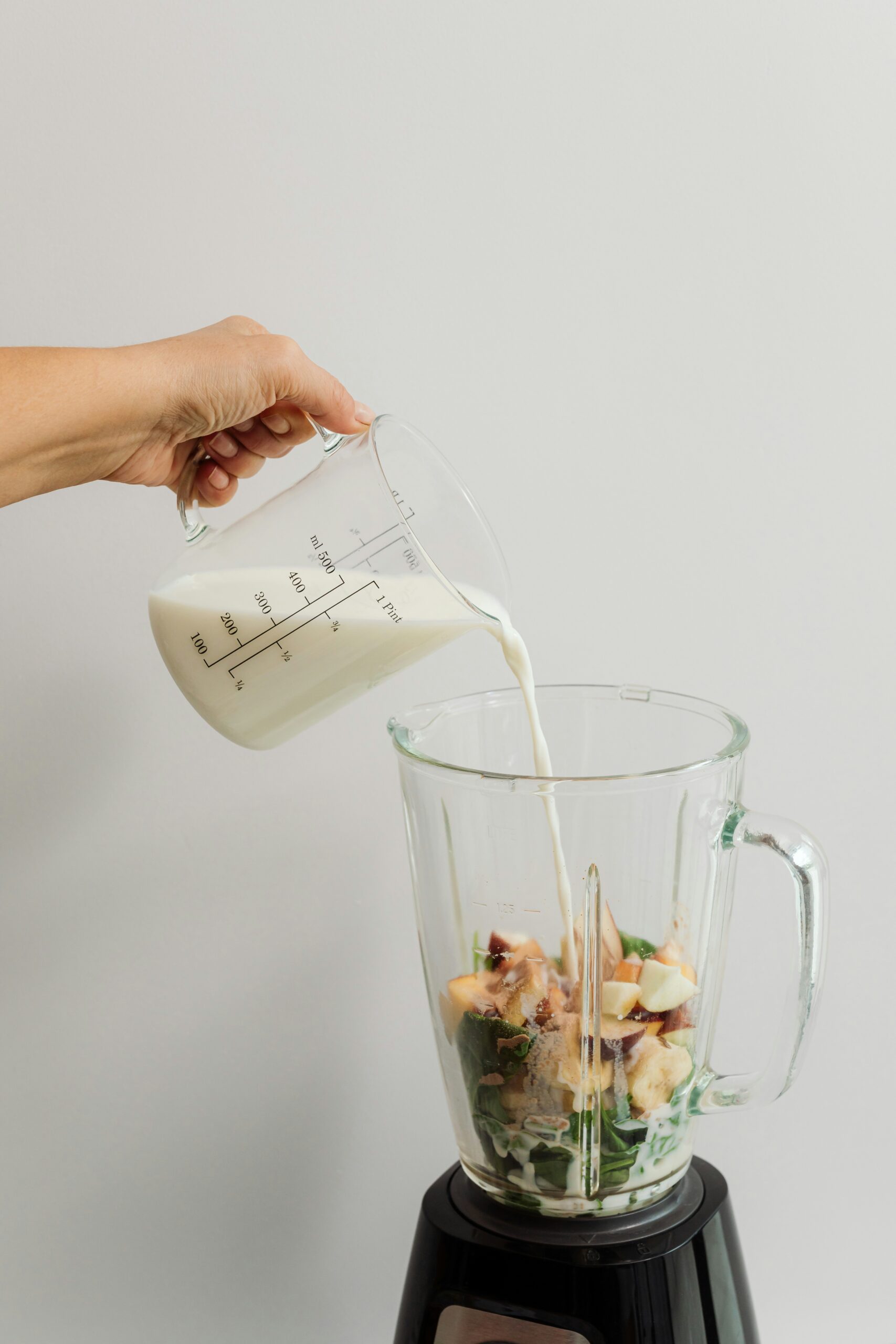
- Milk or fortified soy milk
A nutritionist can help you determine your protein needs and find simple ways to include it throughout the day.
2. Choose Nutrient Rich Foods
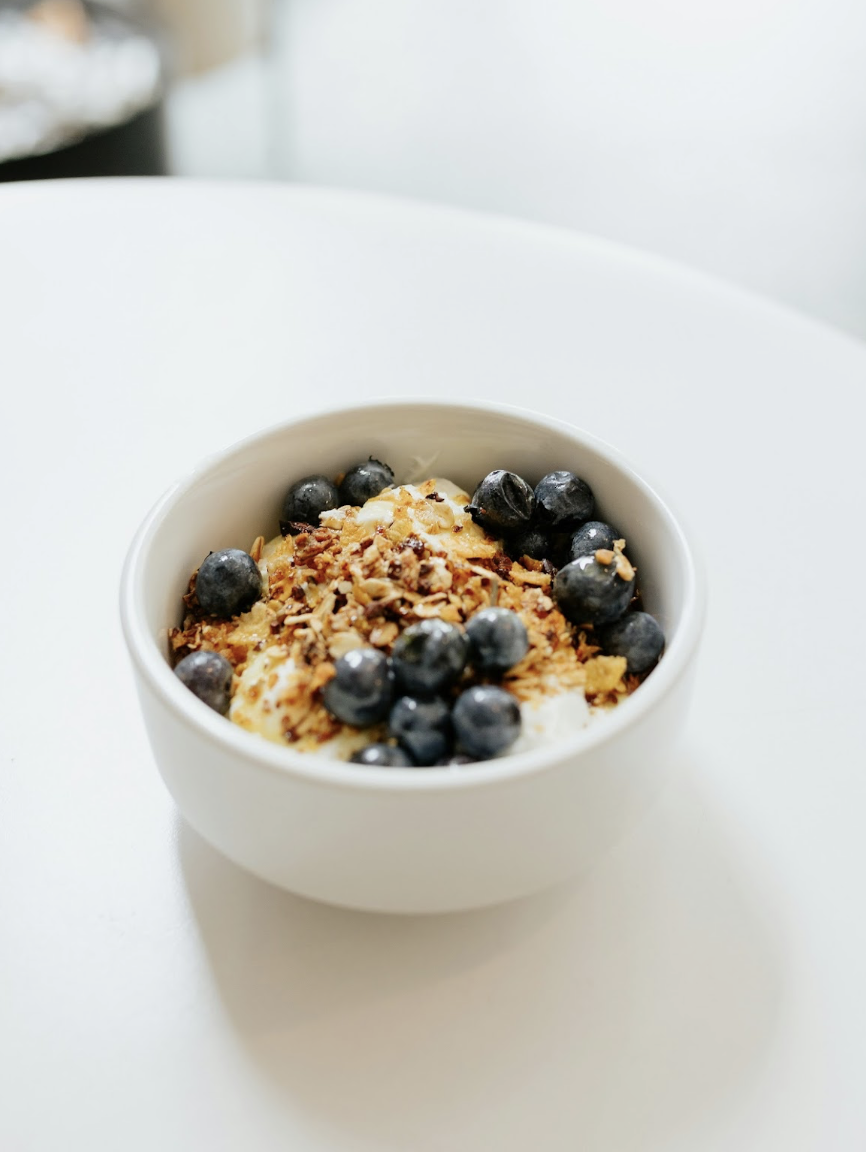
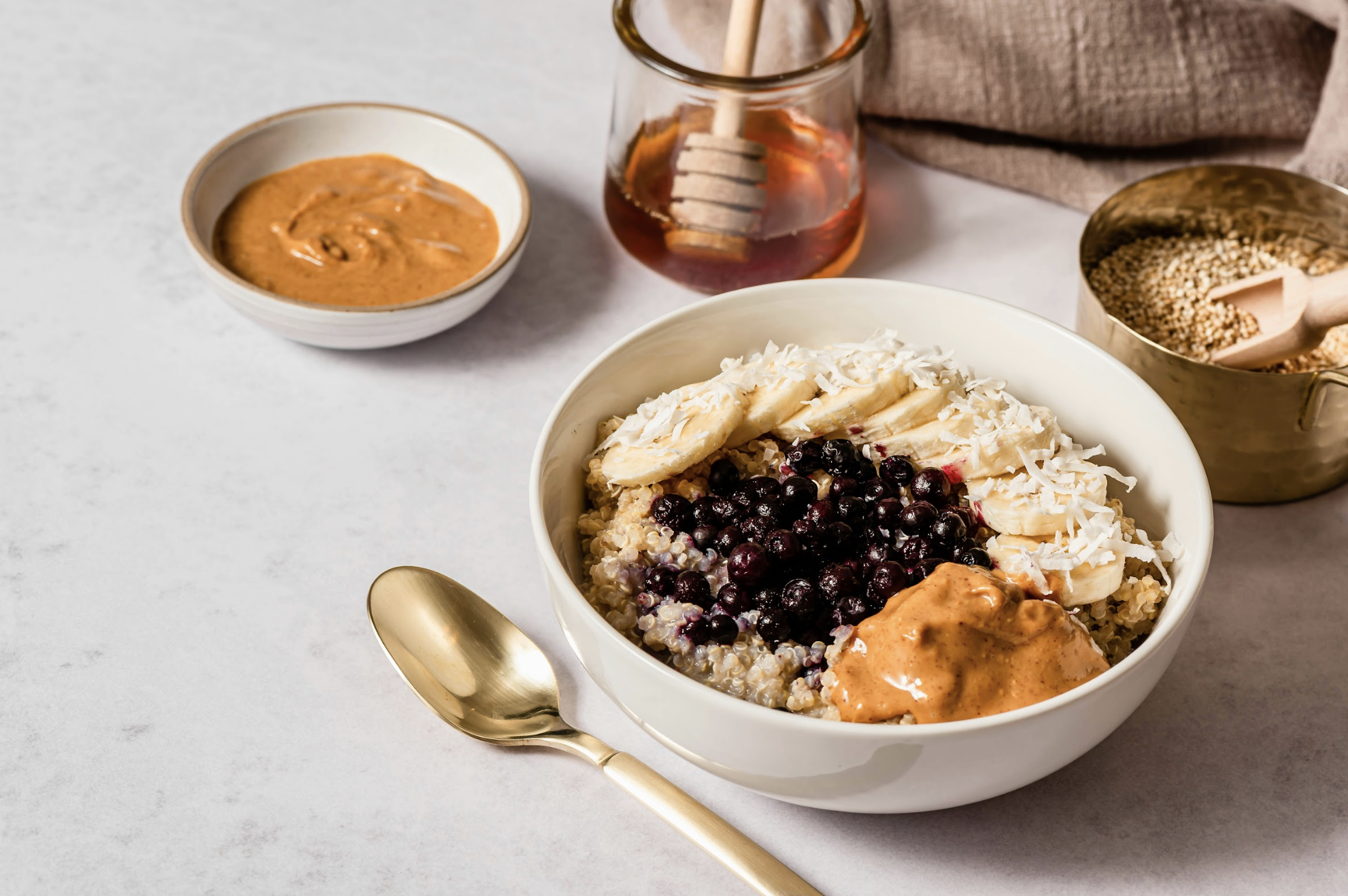
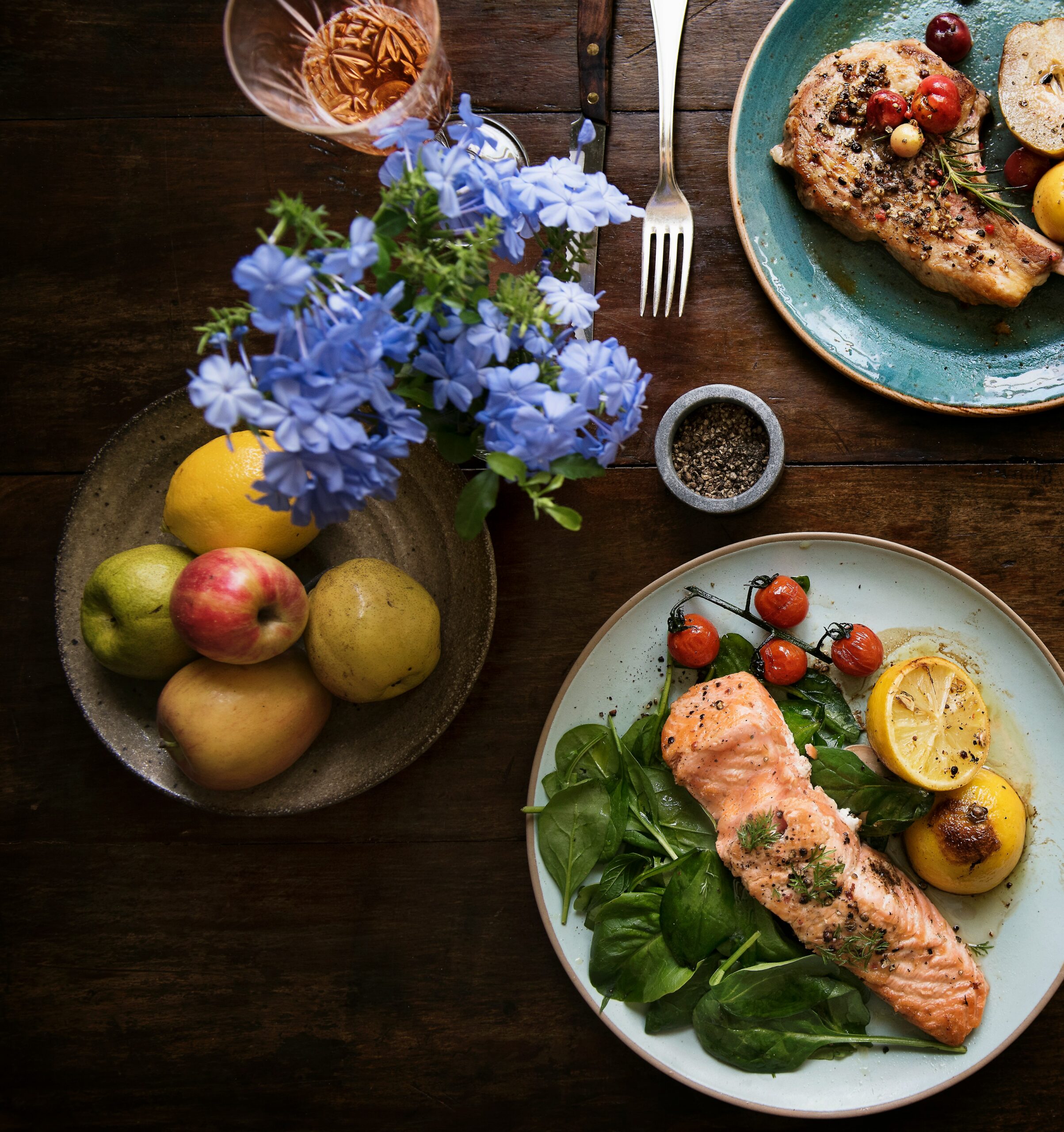
When your appetite decreases, it can be harder to get enough vitamins, minerals, and other essential nutrients. Focus on a variety of foods, including fruits, vegetables, whole grains, protein, and healthy fats.
Some examples include
- Berries
- Cooked vegetables
- Oatmeal
- Brown rice
- Avocado
- Nuts and seeds
You do not need to make every meal perfect. Focus on balanced meals that you enjoy and can comfortably eat.
3. Include Fiber to Support Digestion
Constipation is a common side effect of GLP-1 medications. Fiber can help support regular bowel movements and is found in foods such as:
- Oats
- Beans
- Berries
- Vegetables
- Whole grains
Increase fiber gradually, as adding too much too quickly may cause post-meal discomfort and worsen bloating and gas.
4. Eat Smaller Meals When You Feel Full Quickly
GLP-1 medications can slow digestion, making you feel full sooner than usual. Eating smaller meals and snacks throughout the day, eating slowly, and avoiding overly large portions can help reduce nausea and alleviate discomfort.
The goal is to find a meal pattern that feels comfortable while still providing enough energy and nutrients. A nutritionist can help you find an approach that works for your appetite and lifestyle.
5. Stay Hydrated
Eating less can mean getting less fluid from food, and nausea may make drinking water more difficult. Staying hydrated supports digestion and helps reduce the risk of dehydration.
Tip! Keep water nearby and sip throughout the day. If drinking large amounts at once feels uncomfortable, try smaller amounts more frequently.
Electrolytes, such as sodium and potassium, will help your body maintain a fluid balance. If you are consistently vomiting or have diarrhea, you may lose both fluids and electrolytes.
Common electrolytes you can get from foods include:
- Bananas
- Yogurt
- Potatoes
- Other fruits and vegetables
How Can Nutrition Therapy Help While Taking GLP-1 Medications?
GLP-1 medications, although supportive, can cause side effects such as nausea, constipation, bloating, and diarrhea. These symptoms can make it harder to eat comfortably and get the nutrients your body needs.
Working with a nutritionist can help you find ways to manage these symptoms through food.
- Personalized nutrition for your body and lifestyle
- Supporting weight management as well as muscle maintance
- Balanced approach to food choices without restrictive rules
- Meal planning and timing support
For example, eating smaller meals may help reduce nausea and overfullness, while gradually increasing fiber to help relieve constipation.
Nutrition therapy also goes beyond managing side effects. A nutritionist can help you understand your individual needs, find foods you enjoy, and make sure you are getting enough protein and other essential nutrients as your appetite changes.
The goal is to build balanced eating habits that fit your lifestyle, support your health, and feel realistic for the long term, without unnecessary food rules or restrictions, which are not sustainable.
How Can You Maintain Your Progress After GLP-1 Treatment?
While taking these medications, you may notice a decrease in appetite and feel full more quickly. After stopping treatment, you may see your hunger return, and you may notice changes in your weight.
Some people regain weight after stopping GLP-1 medications, but this does not mean you have done anything wrong…this is natural! Your body is responding to changes in medication, appetite, and other factors that influence your weight.
It is also important to remember that your weight is not meant to stay at one exact number. Weight naturally fluctuates over time, and small changes are a normal part of life. Your health is about much more than the number on the scale.
Working with a nutritionist can help you prepare for this transition by building sustainable habits that support your unique health, beyond medication. This may include establishing a consistent eating routine, getting enough protein, maintaining muscle mass, and learning to respond to changes in hunger and fullness.
The goal is to help you feel confident in your food choices and develop habits that support your long-term health, rather than relying entirely on medication.
Build a Sustainable Approach to GLP-1 Nutrition Support
GLP-1 medications can support weight management and blood sugar control; however, the bigger picture is building healthy habits that support your overall well-being.
Getting enough nutrients, supporting muscle health, managing digestive symptoms, and developing consistent eating habits can all play an important role in your experience.
Working with a nutritionist provides personalized guidance to help you navigate these changes. Rather than following strict food rules or trying to figure everything out on your own, you will work together to create an approach that fits your body, your goals, and your lifestyle.
You do not need to change everything at once. Small, realistic steps help you build confidence in your food choices and establish habits that support your long-term well-being.
If you are taking a GLP-1 medication and are unsure what to eat, experiencing side effects, or considering how to maintain your progress, nutrition therapy can help you get started!
Common FAQs
What is the best diet to follow while taking GLP-1 medications?
There is no single best diet for everyone taking a GLP-1 medication.
In general, aim for balanced meals that include protein, fiber-rich foods, healthy fats, and a variety of fruits and vegetables. Your specific needs may vary depending on your appetite, symptoms, health history, and goals.
Can a nutritionist help with GLP-1 side effects?
Yes. A nutritionist can help you identify food choices and eating habits that may make side effects such as nausea, constipation, bloating, and feeling overly full easier to manage.
Do I need to eat protein while taking GLP-1 medications?
Yes, protein is an important part of a balanced diet because it supports muscle maintenance and repair. Since GLP-1 medications can reduce appetite, getting enough protein may require some planning. A nutritionist can help you determine your individual needs and find convenient protein sources that work with your appetite.
Can nutrition therapy help me maintain my weight after stopping GLP-1 medications?
Nutrition therapy can help you build consistent eating habits, support muscle health, and prepare for changes in hunger and fullness after stopping medication. These strategies may support long-term weight management, although weight regain can still occur. Your nutritionist will work alongside your healthcare provider to help you navigate the transition and determine what ongoing support may be appropriate.
Ready to Work With a GLP-1 Nutritionist?
We hope this helped you better understand the role of nutrition while taking GLP-1 medications and how working with a nutritionist can help you manage side effects, meet your nutritional needs, and support your long-term health.
At Plenish, our team of virtual nutritionists cuts through the noise with science-based nutrition support that’s sustainable and realistic. No cookie-cutter solutions here, just expert guidance to help you stay nourished and care for your changing body in the healthiest way possible.
Our dietitians specialize in using functional nutrition to help guide you in your health journey. All of our practitioners are Licensed Dietitian-Nutritionists (LDNs), Certified Nutrition Specialists (CNS), and Registered Dietitians (RDs) and they each hold a master’s-level degree in nutrition.
We are in-network with Aetna, UnitedHealthcare, Cigna, and BCBS. If your insurance isn’t listed here, don’t worry you can still see us! Out-of-network sessions may be partially reimbursable by your insurance.
You can go here to learn more about what working with us looks like or go here to book your complimentary call with us.
Psst… don’t forget to grab our FREE Nutrition 101 Guide! This free guide blends functional medicine and intuitive eating to help you support your hormones, digestion, and energy through consistent, compassionate nourishment.
With this guide, you’ll learn how to:
- Create a structure that supports, not restricts
- Understand the link between your nutrition, mood, and metabolism
- Build habits that feel calm, sustainable, and evidence-based