If you’re feeling guilty after eating, you’re not alone. Many people experience food guilt from time to time, especially after eating foods like sweets, fried foods, or meals that feel heavier than usual. This reaction is far more common than you might realize.
However, if that guilt feels constant or starts to overshadow your relationship with food, it may be a sign that something deeper is going on, and it deserves attention and support.
Keep reading to understand more about why you struggle with feeling guilty after eating, and how you can begin building a more peaceful relationship with food.
What Is Food Guilt?
Food guilt is when you feel shame or regret after eating “too much” or eating foods that you’ve deemed as “bad” or “unhealthy.” This often occurs after eating sweets or having a large meal and likely makes you feel anxious or self-critical.
If you are consistently experiencing food guilt, this could be a sign of disordered eating or an eating disorder. The truth is that guilt after eating is very common with eating disorders, whether it be anorexia nervosa, bulimia nervosa, or binge eating disorder.
Understanding the source of this guilt is the first step toward breaking free from it. Remember, food guilt is something that you learn, which means that it can be unlearned, and you can heal from it.
How Can I Break Free From Feeling Guilty After Eating?
As a team of Certified Nutrition Specialists, here are our expert tips on how you can break free from food guilt:
Stop labeling food as good or bad
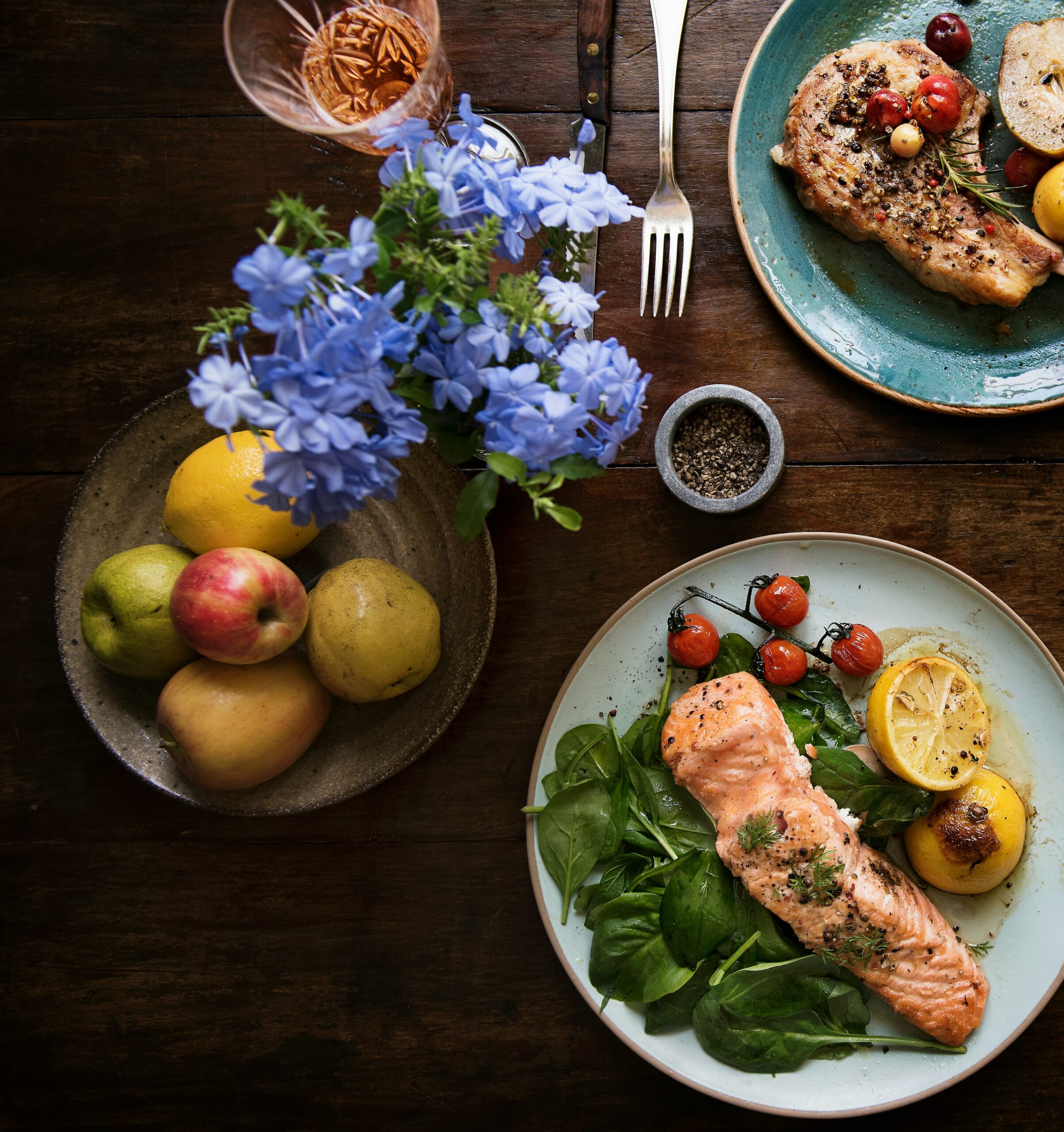
First, we want you to embrace the mentality that no food is off-limits. Taking this inclusive approach to eating eliminates the “good” versus “bad” food mentality and allows you to enjoy a variety of foods without feeling guilty.
This may feel challenging at first, especially if you’re used to restrictive diets. But here’s the truth: shifting your mindset around food can be more effective than any diet you’ve ever tried.
Instead of viewing certain foods as a lapse in willpower, consider them as signals from your body, possibly indicating specific nutritional needs or simply a desire for pleasure and satisfaction.
Journal about your eating experience
Journaling about how you feel before or after eating will reveal what thoughts or behaviors trigger your food guilt. You can also keep notes in your phone.
Writing about your experiences with food will help you better separate your feelings from facts. It helps you see that guilt usually isn’t about the food itself, but about learned rules around “good” and “bad” eating. Over time, certain patterns emerge – certain foods, situations, or emotions that consistently trigger shame – making them easier to question and release.
Journaling also encourages you to practice self-compassion. Rather than punishing yourself, you begin asking what your body needed in that moment and how you can support yourself moving forward.
Some helpful questions to explore:
- What was I feeling before I ate?
- Was I physically hungry, or eating for another reason?
- What emotions am I experiencing right now?
- What thoughts or judgments are coming up about what I ate?
- Do I feel satisfied, or am I still craving something?
Practice intuitive eating
Part of Intuitive eating is about deciding what to eat based on how it tastes and how it makes you feel. This means listening to how your body feels before, during, and after eating something. Are you unexcited by the idea of eating another salad but salivating over an image of your favorite pasta dish?
An important piece of intuitive eating is to unlearning idea that there are good and bad foods. So, eat the pasta if that’s what you’re feeling! Food should be enjoyable, and intuitive eating involves listening to cravings and paying close attention to how certain foods make you feel.
If you’re someone who says, “but I won’t be able to stop eating the pasta once I start” that’s another sign that it’s time to dig into your relationship with food.
Remind yourself that there is no “perfect diet.”
There’s no such thing as a perfect diet or perfect way of eating. You don’t need to obsess over calories, eat an exact amount of vegetables, or follow a set of food rules.
The idea of “perfect eating” comes from diet culture, but it doesn’t take into account your unique body or needs. It can be helpful to ask yourself: What feels more sustainable long-term? Choosing vegetables because they make your body feel good, or eating them because you’re afraid you’ll feel guilty if you don’t?
When food choices are driven by guilt or pressure, it can slowly pull you further away from your body’s natural hunger and fullness cues. Food is meant to support and nourish you, not feel like a rulebook.
If you feel guilty after eating, it might be time to work with a nutritionist
A nutritionist will help you understand how food works with your body, not just for your physical health, but also for your mood, energy, and overall well-being. At Plenish, our nutritionists help you shift not just what you eat but also HOW you eat, so that food feels supportive rather than stressful. Imagine feeling more energized, balanced, and at peace with your body. Doesn’t that sound better than being stuck in a food guilt loop?
You might be surprised at just how much you can heal through nutrition. There’s no truer saying than “you are what you eat.” Your gut health affects how you feel physically, mentally, and emotionally. Just remember: every nutritionist has their specialty, so it’s important to find someone experienced in your unique concerns.
Here at Plenish Nutrition, our intuitive eating nutritionists help you find peace with food, rebuild body trust, and feel confident in your choices again. You can learn more about our services here.
How Long Will It Take You to Heal Your Relationship With Food?
This is one of the most common questions we’re asked, and it makes complete sense to want a clear answer. The honest truth is that it looks different for everyone.
Your timeline depends on your personal history with food and how long diet culture has shaped your eating patterns. Many of our clients begin to notice gentle shifts within 3 – 4months. At this time clients notice less guilt around food, more confidence in their choices, and fewer moments of constant “food noise.”
Lasting peace with food is something that builds over time through awareness, practice, and self-trust. If you’ve spent years trying to control or fix your eating, it’s natural that rebuilding that relationship takes patience. Every small shift matters, and each step you take moves you closer to feeling freer and at ease around food.
Ready to Break Free From Food Guilt For Good?
You don’t have to keep feeling guilty after eating – it is possible to stop this cycle. You absolutely deserve to have a healthy relationship with food.
Maybe you’ve already done the work to recover from an eating disorder, or maybe you’ve never had one but feel exhausted by years of trying to “eat right.” Either way, your relationship with food deserves healing.
At Plenish, we combine intuitive eating principles, mindful eating, and our extensive nutrition education to help you feel nourished, calm, and grounded in your body again. Each expert on our team is a master’s level nutritionist with advanced training in their specialty. When you work with us, you’ll receive evidence-based support that helps you gain a deeper understanding of your body.
Want to learn more about working with us? You can go here to book your complimentary call with us or go here to learn more about our services.
Psst… don’t forget to grab our FREE Nutrition 101 Guide! This free guide blends functional medicine and intuitive eating to help you support your hormones, digestion, and energy through consistent, compassionate nourishment without a side of diet culture.
Read these next:
How Can Working With a Hypothyroidism Nutritionist Help You?
Autoimmune Nutritionist: Where Healing and Food Come Together