Do you feel like something is slightly off with your body or your mood, but you can’t quite put your finger on what’s causing it? You know you’re too young to be going through menopause, but you also know it isn’t too far away. This transitional phase is called what’s known as perimenopause. And in recent years, it’s been discovered that during this transition, many women experience estrogen dominance.
You might be wondering: why is estrogen dominance relevant to perimenopause? The truth is, it could be the driving force behind some of the frustrating symptoms you’re already experiencing.
Keep reading to learn more about the connection between estrogen and perimenopause and how you can manage your symptoms.
Estrogen Dominance and Perimenopause – What’s the Connection?
Let’s start with the basics. Estrogen and progesterone are two key hormones that regulate the female reproductive system.
Estrogen dominance happens when your progesterone levels drop, allowing estrogen to take over. Progesterone normally keeps estrogen in check, so when it decreases, the resulting imbalance often triggers heavy periods, severe PMS, breast tenderness, and mood swings.
The hormonal transition during perimenopause is complex. Think of estrogen dominance as a functional way to describe this temporary imbalance, rather than a medical diagnosis.
Perimenopause is the transitional phase leading up to menopause, triggered when your ovaries begin producing less estrogen. This typically starts in your 40s (though it can begin as early as your 30s), and can last anywhere from 4 to 10 years. You’ll officially transition from perimenopause to menopause once you’ve gone 12 consecutive months without a period.
What Are the Symptoms of Perimenopause?
One of the first signs of perimenopause is that you notice a change in your menstrual cycle. You might experience lighter or heavier bleeding, or notice that your periods are arriving closer together or further apart. It’s important to remember that every woman is different and you may not experience the same symptoms as other women in your life.
If you start to notice changes in your cycle, keep an eye out for these recurring symptoms. Spotting them early can help you know when it’s time to reach out for professional support to help you manage your symptoms.
Common symptoms include:
- Irregular or skipped periods
- Heavier or lighter periods
- Hot flashes or night sweats
- Insomnia or difficulty falling asleep
- Low energy and fatigue
- Mood swings, irritability, or anxiety
- Brain fog and trouble focusing
- Headaches or joint pain
- Weight fluctuations
- Low libido
- Bloating or constipation
- Hair loss
Nutrition Tips for Perimenopause
Nutrition during perimenopause is incredibly important, but it’s often overlooked as a way to help you manage your symptoms. However, the right food helps you manage fluctuating hormones, preserve bone and muscle mass, and stabilize your moods. A perimenopause-friendly diet focuses on lean proteins, fiber-rich whole grains, and healthy fats, while limiting triggers like caffeine, alcohol, and spicy foods.
Here’s what a well-rounded diet should focus on during this phase:
Bone and Muscle Support
When estrogen declines, you’re at a higher risk of losing muscle mass and bone density. To combat this, aim for high-protein meals that include fatty fish, eggs, or legumes. Calcium and vitamin D are also essential for strong bones, so be sure to incorporate dairy, leafy greens, and a little daily sun exposure.
Hormone and Blood Sugar Balance
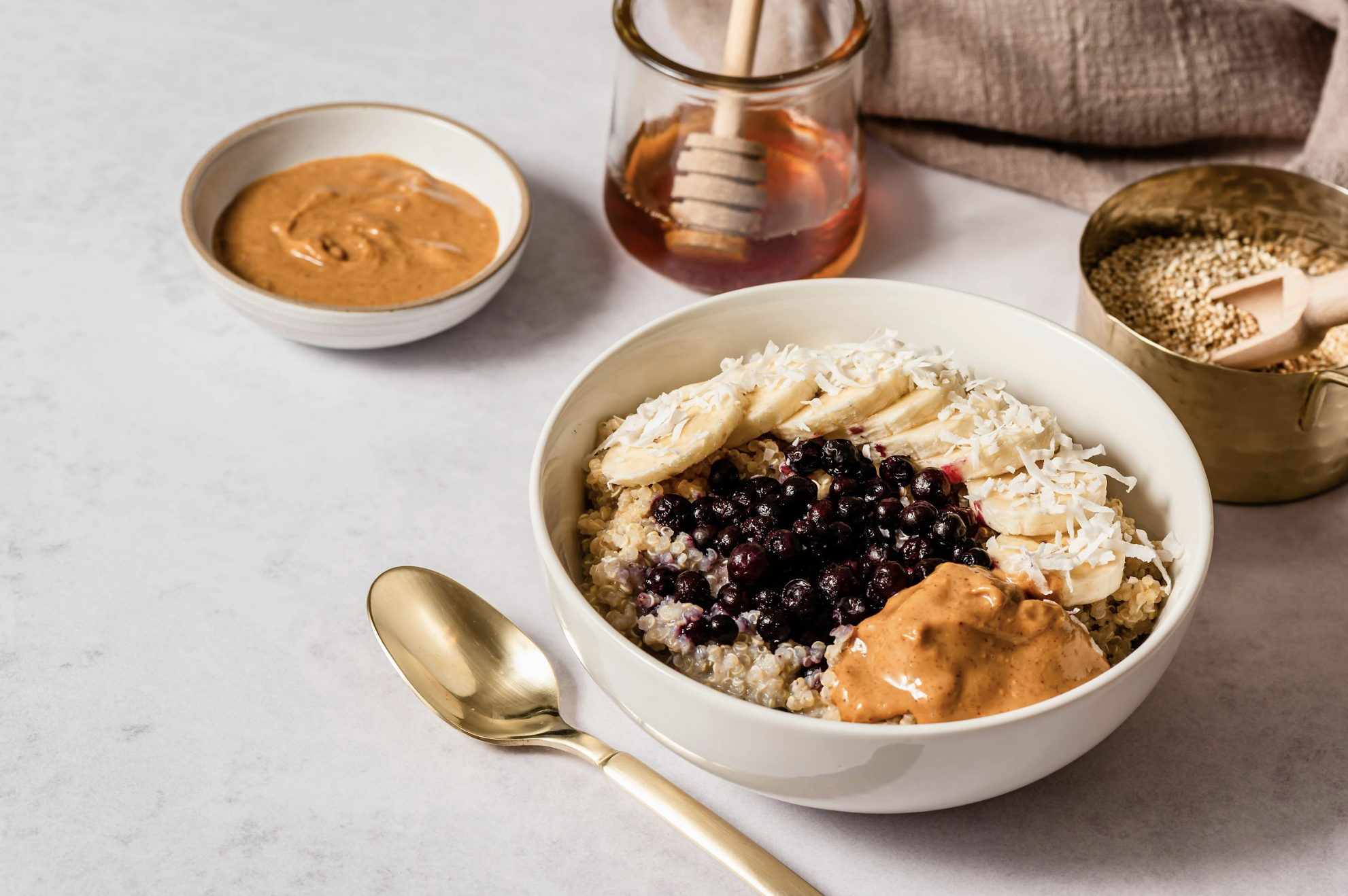
Hormonal shifts can cause your blood sugar to crash, making you highly susceptible to mood swings. Fiber is your best friend here, since it keeps you full longer and balances your blood sugar. Incorporate plenty of beans, oats, and berries. You can also add plant estrogens that gently mimic the functions of estrogen in the body through foods like soy, flaxseeds, and legumes.
Gut Health and Inflammation
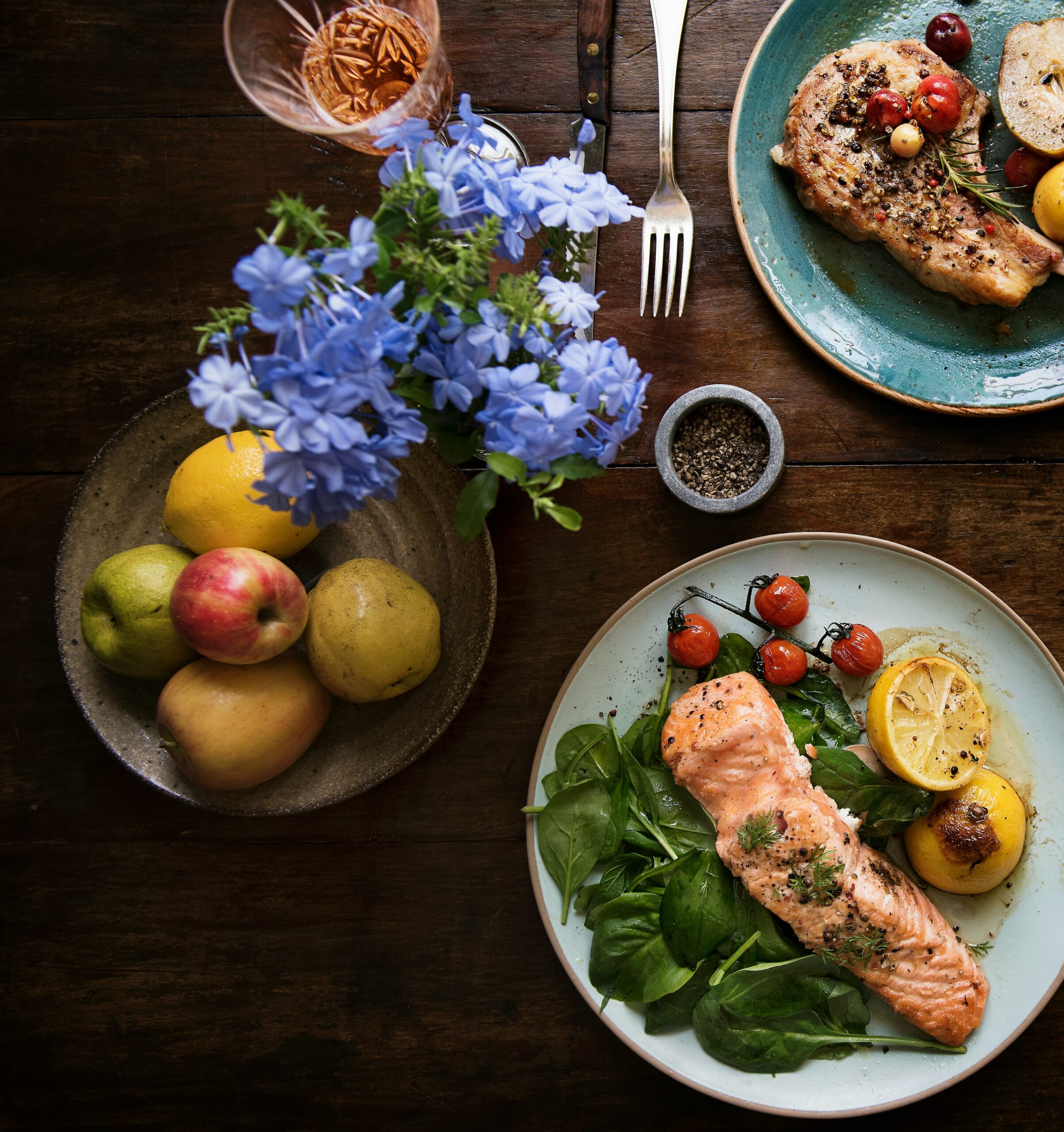
Your gut health plays a huge role in hormone metabolism and mood regulation. Support your microbiome with fermented foods like yogurt, kefir, or sauerkraut. To reduce inflammation and support your brain health, add healthy fats like extra virgin olive oil, nuts, and salmon to your meals.
Quick tip: To help reduce hot flashes, try limiting coffee, tea, alcohol, and spicy dishes. To improve your sleep quality, eat magnesium-rich foods like spinach, almonds, or pumpkin seeds to help your body relax.
Working With a Nutritionist Specializing in Perimenopause
By working with us at Plenish, you’ll receive direct guidance from a nutritionist on our team who specializes in perimenopause. We will help you manage hormonal shifts through personalized dietary changes. We’ll also focus on stabilizing your blood sugar, easing hot flashes, reducing inflammation, and proactively protecting your muscle and bone density.
Because declining estrogen alters how your body processes energy and nutrients, generic diets simply don’t work as a way to manage your symptoms. We’ll help you navigate these shifts with customized strategies focused on hormone balance, symptom relief, metabolic health, and long-term disease prevention.
What It Means if You’ve Been Told You Have Estrogen Dominance?
If you’ve been told you have estrogen dominance, it simply means your estrogen levels are currently higher than your progesterone levels. This can be caused by disrupted ovulation, chronic stress, or even gut and liver issues that affect how your body metabolizes hormones.
Signs of estrogen dominance include:
- Heavy or irregular periods
- Breast swelling or tenderness
- Mood swings and anxiety
- Unexplained weight gain
- Worsened PMS or fatigue
While estrogen dominance is highly manageable, leaving it untreated long-term can lead to more serious conditions like uterine fibroids, endometriosis, or cardiovascular complications. The good news? You can take action today. Nutrition is one of the most powerful tools you have for managing hormone imbalances and we are here to help you navigate that journey.
FAQ’s
How is perimenopause diagnosed?
There is no single test that definitively diagnoses perimenopause because hormone levels fluctuate wildly from day to day. Instead, it is diagnosed clinically by reviewing your symptoms, tracking your menstrual history, and ruling out other medical conditions.
How are perimenopause symptoms treated and managed?
Managing your specific symptoms can include lifestyle changes such as regular exercise, a balanced diet, limiting caffeine/alcohol, and prioritizing sleep. Hormone therapy, or hormonal birth control, that can stabilize hormones and relieve symptoms. Non-hormonal options such as prescription medications for hot flashes or anxiety, or cognitive behavioral therapy (CBT), and vaginal lubricants or moisturizers.
How and why does perimenopause begin?
Perimenopause begins when your primary reproductive hormones start shifting out of their usual rhythm. During your peak reproductive years, estrogen and progesterone fluctuate in a steady, predictable pattern. As you enter perimenopause, your ovaries naturally produce less estrogen, which disrupts progesterone levels, too. These unpredictable highs and lows are what trigger changes in your cycle and cause perimenopausal symptoms.
Ready to Work With a Perimenopause Nutritionist?
Hopefully, you found this info on the connection between perimenopause and estrogen dominance helpful.
At Plenish, our team of virtual nutritionists cuts through the noise with science-based nutrition support that’s sustainable and realistic. No cookie-cutter solutions here, just expert guidance to help you stay nourished and care for your changing body in the healthiest way possible.
Our dietitians specialize in using functional nutrition to help guide you in your health journey. All of our practitioners are Licensed Dietitian-Nutritionists (LDNs), Certified Nutrition Specialists (CNS), and Registered Dietitians (RDs) and they each hold a master’s-level degree in nutrition.
We are in-network with Aetna, UnitedHealthcare, Cigna, and BCBS. If your insurance isn’t listed here, don’t worry you can still see us! Out-of-network sessions may be partially reimbursable by your insurance.
You can go here to learn more about what working with us looks like or go here to book your complimentary call with us.
Psst… don’t forget to grab our FREE Nutrition 101 Guide! This free guide blends functional medicine and intuitive eating to help you support your hormones, digestion, and energy through consistent, compassionate nourishment.
With this guide, you’ll learn how to:
- Create a structure that supports, not restricts
- Understand the link between your nutrition, mood, and metabolism
- Build habits that feel calm, sustainable, and evidence-based
Read these next:
Is a Virtual Nutritionist Right for You?
Important Questions to Ask a Nutritionist Before Starting Together