Let’s be honest, if you’re here, you’ve probably already tried to “eat healthier,” maybe you’ve Googled what to cut out. Maybe you’ve saved a dozen wellness posts telling you gluten is the problem… or dairy… or sugar… or all of the above. And somehow, instead of clarity, you ended up with more confusion. An autoimmune nutritionist understands just how overwhelming that process can feel.
So let’s take a step back.
What if supporting autoimmune health isn’t about restriction or perfection, but about understanding what your body is actually asking for?
This is exactly what an autoimmune nutritionist can help you with.
So…What Does Food Really Have to Do With Autoimmune Disease?
A lot more than most people realize.
Autoimmune conditions happen when the immune system gets confused and starts attacking the body instead of protecting it. That part we know. But what’s often overlooked is how much your daily habits, especially food, can influence how intense those symptoms feel.
Not cause. Not cure. But influence.
Your immune system is constantly responding to what you do day in and day out, which includes what’s on your plate.
Food can either help calm inflammation…or quietly add fuel to it.
Autoimmune FADs…This Is Where Most People Get It Wrong
The internet loves extremes.
Cut everything out. Follow this perfect diet. Eat this one way forever.
But your body doesn’t work like that.
Nutrition isn’t just about protein, carbs, and fats. It’s about how your gut, your immune system, and your hormones are all talking to each other behind the scenes.
And if there’s one place where that conversation matters most—it’s your gut.
Your Gut Is Doing More Than You Think
Think of your gut like a gatekeeper.
It decides what gets absorbed into your body and what gets kicked out. When it’s working well, things run smoothly. But when that barrier becomes compromised (something you may have heard called “leaky gut”), things that shouldn’t get through…do.
Now imagine that happening over and over again.
That’s where inflammation builds. That’s where symptoms start to feel louder; more fatigue, more bloating, and more flare-ups that don’t seem to make sense.
And one of the biggest things that impacts your gut?
Your everyday diet.
What Your Autoimmune Disorder Actually Needs (Without Overcomplicating It)
Let’s simplify this, because it doesn’t need to be overwhelming.
The research and real-life experience keeps pointing back to a few core things:
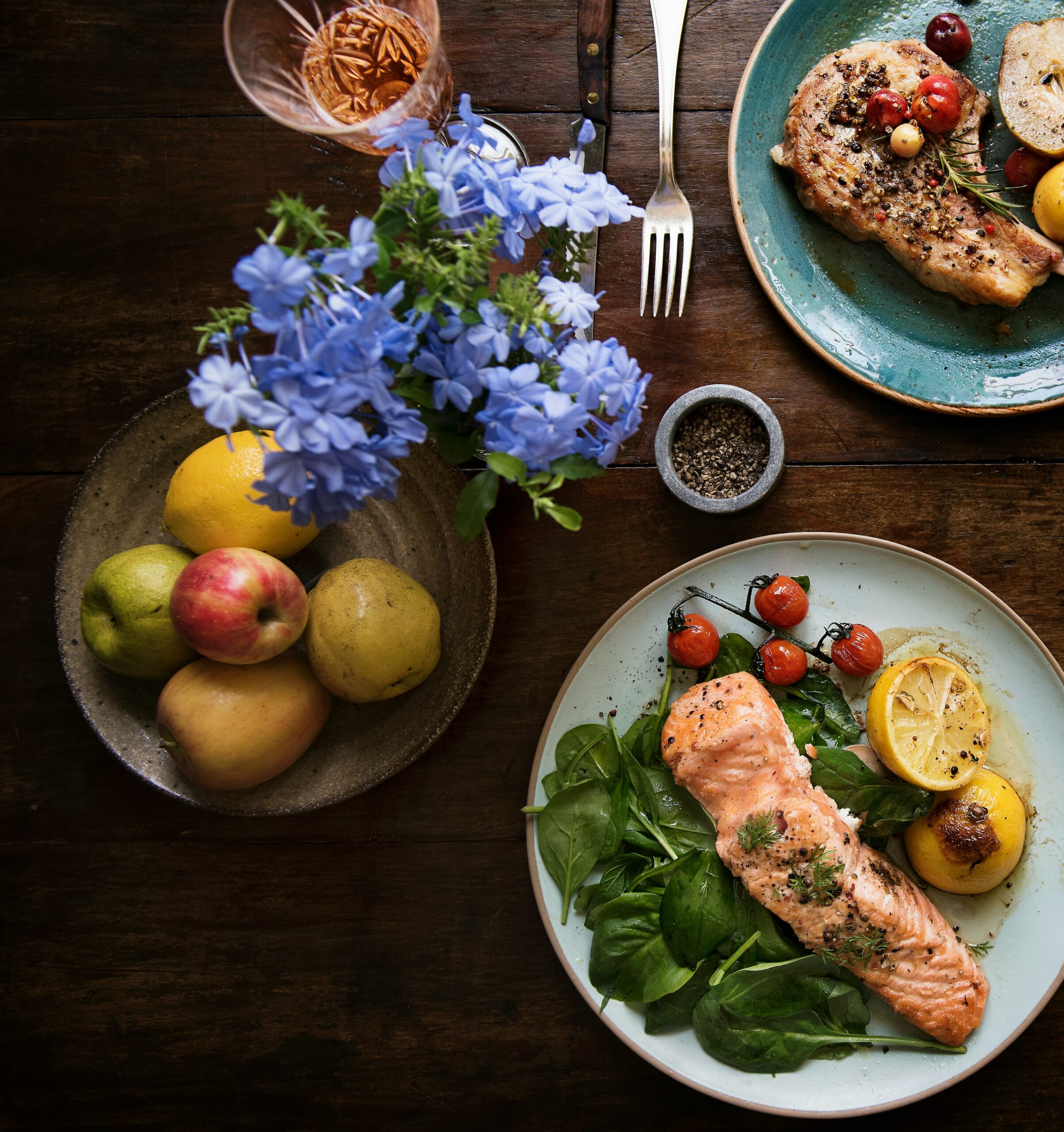
- Eating more foods like: Fatty fish for omega-3s, fruits and vegetables for antioxidants, whole grains and fiber-rich foods, and healthy fats like olive oil.
- And less of: Highly processed foods, added sugars, and constant takeout or convenience meals
That’s it. Not a trend. Not a detox. Just a shift.
A lot of people naturally fall into something similar to a Mediterranean-style way of eating without even realizing it…and that’s often where we see improvements in inflammation, energy, and overall symptoms.
But Do Certain Autoimmune Conditions Need You to Cut Foods Out?
This is usually the first question.
“Should I go dairy-free? Gluten-free? Do that autoimmune protocol thing?”
And the answer is… maybe. But not blindly.
Elimination diets can be helpful if they’re done with intention. The goal isn’t to remove foods forever, it’s to understand YOUR body better.
What actually triggers your symptoms? What doesn’t?
Because what works for someone else might not apply to you at all.
And staying in a super restrictive place long-term? That usually creates more stress than healing.
Your Autoimmune’s Missing Piece
It’s not just food.
I wish it were that simple. It would make everything easier.
But autoimmune health is also shaped by:
- Stress levels
- Sleep quality
- Movement (or lack of it)
- Lifestyle habits
You could be eating “perfectly,” but if you’re constantly stressed, under-sleeping, and running on empty…your body still feels that.
Healing happens when all of those pieces begin fitting together and working like a team, not in isolation.
What Working With an Autoimmune Nutritionist Actually Looks Like
It’s not a strict meal plan.
It’s not being told you can never eat your favorite foods again.
It’s a conversation, just like this one, but personalized to fit your own unique needs.
It’s looking at:
- Your symptoms
- Your routines
- Your relationship with food
- What’s realistic for your life
And building something that actually feels doable to your symptoms, lifestyle, and needs.
The goal isn’t to build your life around your condition.
It’s about taking back control on your life and not letting the condition run it.
It’s about feeling better in your own body, not living smaller because of it.
If You Take One Thing Away From This
You don’t need to overhaul everything overnight.
You don’t need to follow the most extreme version of “healthy.”
You just need to start paying attention.
Add more whole foods. Notice how you feel. Support your gut. Be consistent, not perfect.
Because when it comes to autoimmune health, the small things you do every day matter more than anything you do once in a while.
And when you start to understand your body instead of fighting it?
That’s where real healing begins.Still feeling lost and overwhelmed? Book a free consultation with our registered holistic dietitian to start taking steps forward in your body and your healing journey.