More heartburn, bloating, or acid reflux during perimenopause? You may be wondering what is happening to your body. Gastroesophageal reflux disease (GERD) may be contributing to these uncomfortable symptoms, and hormonal changes during perimenopause may play a role in their prevalence.
Although the connection between perimenopause and GERD is still being studied, understanding your symptoms can help you find ways to manage them.
Nutrition and lifestyle modifications, especially with support from a dietitian, can help ease discomfort and support your overall well-being.
What Is GERD?
GERD stands for gastroesophageal reflux disease.
To understand what this means, it helps to know a little about how digesstion occurs.
When you eat, food travels down a tube called the esophagus and into your stomach, where acid helps break it down. A muscle at the bottom of the esophagus helps keep stomach contents from flowing back up. If this muscle relaxes at the wrong time or does not close properly, stomach contents can flow back into the esophagus. This is known as acid reflux.
Occasional acid reflux is common, but frequent reflux that causes ongoing symptoms may be GERD.
Common symptoms include:
- Heartburn or a burning sensation in the chest
- Acid or food coming back up into the throat or mouth
- A sour taste in the mouth
- Chest or upper abdominal discomfort
- Difficulty swallowing
- Persistent coughing or hoarseness
Symptoms may worsen after meals, when lying down, or at night. Although GERD can often be managed with medical care and nutrition and lifestyle changes, persistent symptoms should not be ignored, as ongoing reflux can damage the esophagus over time.
Is GERD More Common During Perimenopause?
Digestive symptoms, including heartburn and acid reflux, may become more noticeable during midlife. Reflux symptoms can be more common during the menopausal transition and after menopause for many reasons.
Research has explored the relationship between menopause, hormonal fluctuations, and GERD symptoms. Hormonal changes may be one part of the picture, while other factors such as meal timing, certain medications, stress, sleep, and changes in abdominal pressure may also contribute.
If you have started experiencing frequent heartburn or reflux during perimenopause, you are not alone. Talk with your healthcare provider rather than assuming it is simply part of aging.
What Do Hormones Have to Do With GERD?
During perimenopause, estrogen and progesterone levels fluctuate as your body moves toward the end of its reproductive years.
Estrogen is often discussed in relation to menstrual cycles, but it also plays important roles in bone health, cardiovascular function, and other processes throughout the body. As hormone levels change, you may notice shifts in your sleep, mood, energy, skin, hair, body composition, and temperature regulation.
Researchers are also investigating whether hormonal changes may influence digestive function and reflux symptoms. However, the connection is complex, and it would be inaccurate to say that a decline in estrogen directly causes GERD in every woman.
Other factors that can become relevant during midlife include changes in sleep, stress, physical activity, and body composition. These factors may overlap with GERD risk factors and make symptoms more noticeable.
This is one reason a whole-body approach can be helpful during perimenopause. Instead of looking at heartburn as an isolated symptom, it can be useful to consider your overall eating patterns, daily habits, sleep, stress, and other symptoms alongside appropriate medical evaluation.
How Can Nutrition Help Manage GERD During Perimenopause?
When heartburn becomes more frequent, you may find yourself wondering whether certain foods are the cause and/or making your symptoms worse. However, triggers vary from person to person, and cutting out too many foods can make it harder to get the nutrients you need during perimenopause. Instead, focus on balanced meals and habits that help you feel your best.
1. Focus on a Balanced Eating Pattern
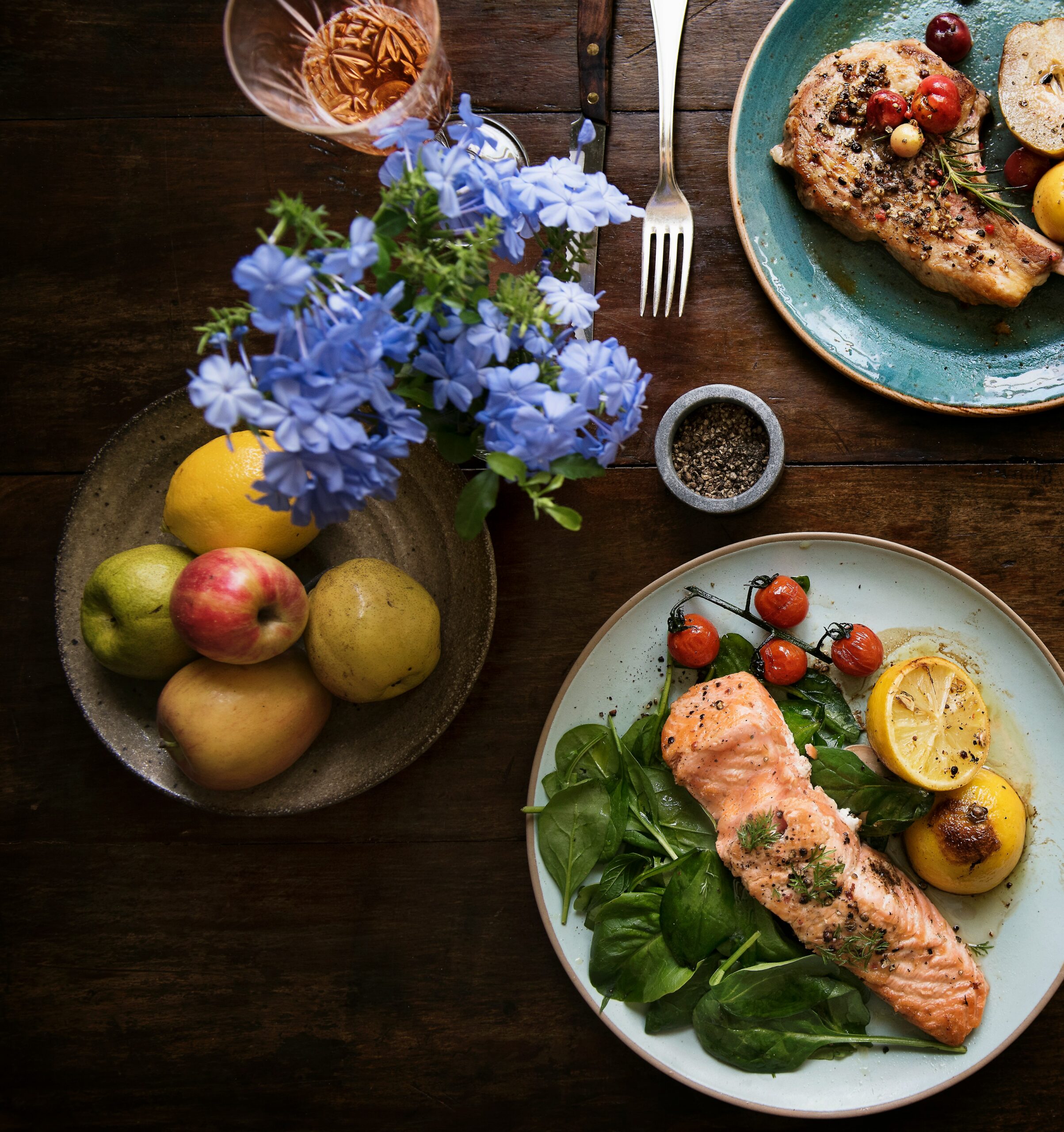
A Mediterranean-style eating pattern can be a helpful starting point, emphasizing fruits, vegetables, whole grains, lean proteins, legumes, nuts, seeds, and healthy fats. While it is not a guaranteed treatment for GERD, it has been shown to reduce symptoms and alleviate discomfort.
Consider including foods such as:
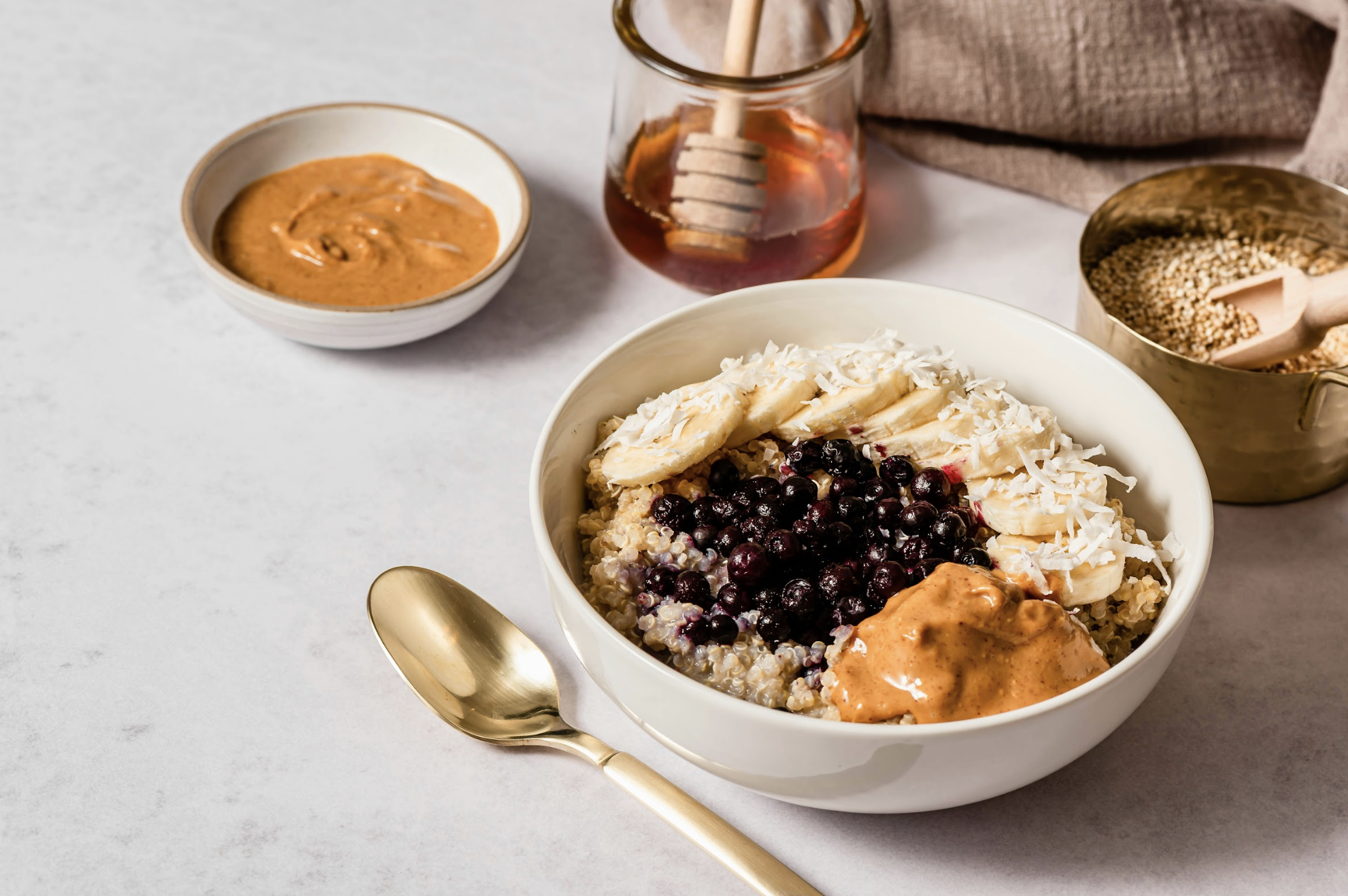
- Oatmeal, brown rice, and other whole grains
- Vegetables that you tolerate comfortably
- Fruits that do not trigger your symptoms
- Protein sources such as fish, chicken, eggs, tofu, and beans
- Healthy fats from olive oil, nuts, and seeds, in portions that feel comfortable
2. Adjust Meal Timing and Portions
Large meals can make reflux more likely for some people. Try eating at a comfortable pace, avoiding overeating, and staying upright after meals. If you experience nighttime reflux, aim to finish eating a couple of hours before bedtime to help reduce symptoms.
3. Identify Your Personal Food Triggers
Common GERD triggers include:
- Coffee and other caffeinated drinks
- Alcohol
- Chocolate and mint
- Spicy foods
- Tomato-based foods and citrus fruits
- High-fat meals
- Carbonated beverages
Not everyone reacts to these foods the same way. Keeping track of your meals and symptoms can help you identify patterns and make targeted changes instead of eliminating foods unnecessarily.
4. Support Digestion With Simple Habits
How you prepare food and build your meals can also make a difference. Choosing baked or grilled foods instead of fried, fatty, high-sugar/high-salt options, drinking water regularly, and including fiber-rich foods such as oats, fruits, vegetables, and whole grains can support overall health. If you also experience bloating, adjust fiber intake to your individual tolerance.
The goal is not to follow a perfect diet or avoid every possible trigger. It is to find a balanced, realistic approach that supports your digestion and overall health during perimenopause.
Why Work With a Dietitian for GERD and Perimenopause?
When you are experiencing GERD alongside changes associated with perimenopause, it can be difficult to know where to start. You may have already searched online for foods to avoid, tried cutting out certain ingredients, or wondered whether you need to follow a completely different diet.
Working with a dietitian can help you make sense of your symptoms and develop a plan that fits your individual needs.
Nutrition therapy can help you:
- Identify personal food triggers without unnecessarily eliminating foods.
- Review meal timing, portions, and eating habits that may contribute to reflux.
- Build balanced meals that support your nutritional needs during perimenopause.
- Find alternatives to foods that aggravate symptoms.
- Support adequate protein, fiber, calcium, vitamin D, and other nutrients.
- Consider how sleep, stress, and physical activity fit into your overall health.
- Create realistic changes that fit your schedule, preferences, and lifestyle.
Most importantly, dietitian therapy is personalized. There is no single GERD diet that works for everyone, and you should not have to navigate these changes alone.
A dietitian can also work alongside your healthcare provider to support your treatment plan.
Supporting Your Body Through Perimenopause
Perimenopause can bring changes that affect how you feel, how you sleep, and how comfortably you digest food. If you are experiencing frequent heartburn or reflux, it is worth paying attention to these symptoms instead of assuming they are simply part of getting older.
Small changes to your eating habits, meal timing, and overall nutrition may help manage GERD while supporting your energy, sleep, and long-term health.
You do not need to change everything overnight. Start by noticing your symptoms, looking for patterns, and making manageable changes that feel right for your body.
If you are unsure where to begin, working with a dietitian can help you create a personalized approach to digestive health and nutrition during perimenopause.
Frequently Asked Questions
Can perimenopause cause GERD?
Research suggests that reflux symptoms may be more common during the menopausal transition. However, the exact relationship between hormonal changes and GERD is not fully understood, and other factors may contribute to symptoms.
What foods can trigger GERD during perimenopause?
Common triggers include coffee, alcohol, chocolate, spicy foods, acidic foods, carbonated drinks, and high fat meals. However, triggers vary from person to person, so focus on identifying which foods actually worsen your symptoms.
Can nutrition improve other perimenopause symptoms?
A balanced eating pattern can support energy, bone health, muscle maintenance, and overall well being. Managing GERD may also help reduce digestive discomfort that interferes with sleep or eating. Nutrition alone, however, is not a guaranteed treatment for hot flashes or other hormonal symptoms.
Should I work with a dietitian for GERD and perimenopause?
A dietitian can help you identify food triggers, improve meal timing, and meet your nutritional needs without unnecessary restrictions. Personalized nutrition therapy can be especially helpful when digestive symptoms and other changes during perimenopause make it difficult to know where to start.
Ready to Work With a Perimenopause Nutritionist to Help Manage GERD Symptoms?
We hope this helped you better understand the connection between GERD and perimenopause and how a perimenopause nutritionist can potentially help you.
At Plenish, our team of virtual nutritionists cuts through the noise with science-based nutrition support that’s sustainable and realistic. No cookie-cutter solutions here, just expert guidance to help you stay nourished and care for your changing body in the healthiest way possible.
Our dietitians specialize in using functional nutrition to help guide you in your health journey. All of our practitioners are Licensed Dietitian-Nutritionists (LDNs), Certified Nutrition Specialists (CNS), and Registered Dietitians (RDs) and they each hold a master’s-level degree in nutrition.
We are in-network with Aetna, UnitedHealthcare, Cigna, and BCBS. If your insurance isn’t listed here, don’t worry you can still see us! Out-of-network sessions may be partially reimbursable by your insurance.
You can go here to learn more about what working with us looks like or go here to book your complimentary call with us.
Psst… don’t forget to grab our FREE Nutrition 101 Guide! This free guide blends functional medicine and intuitive eating to help you support your hormones, digestion, and energy through consistent, compassionate nourishment.
With this guide, you’ll learn how to:
- Create a structure that supports, not restricts
- Understand the link between your nutrition, mood, and metabolism
- Build habits that feel calm, sustainable, and evidence-based