GLP-1 medications have become increasingly popular for managing blood sugar and supporting weight management.
While they offer meaningful health benefits, they can also affect digestion and appetite. One common side effect is constipation. If you have started a GLP-1 medication and notice fewer bowel movements, harder stools, or bloating, you are not alone. These changes can be frustrating when you are trying to feel your best.
The good news is that nutrition and lifestyle changes can help ease constipation and support your overall well-being. Working with a nutrition professional can help you manage symptoms, meet your nutritional needs, and build sustainable habits both during and after medication use.
How Do GLP-1 Medications Work?
GLP-1 medications work by mimicking hormones that help regulate blood sugar, appetite, and digestion. They act on receptors in the body that influence how your body responds to food.
These medications work in several ways:
- Regulate blood sugar: They help the body release insulin when blood sugar levels are elevated and reduce the release of glucagon, a hormone that raises blood sugar.
- Reduce appetite: They act on areas of the brain involved in hunger and fullness, helping you feel satisfied with less food.
- Slow digestion: They slow the rate at which food leaves the stomach, which can help you feel full for longer.
Together, these effects can help improve blood sugar control and support weight management. However, slowing stomach emptying and changing digestive processes can also contribute to gastrointestinal side effects, including nausea, bloating, and constipation.
Understanding how these medications affect digestion can help explain why some people experience changes in their bowel movements while taking GLP-1 medications.
Why Do GLP-1 Medications Cause Constipation?
Constipation is a common side effect of GLP-1 medications, although symptoms can vary from person to person. One may notice fewer bowel movements, hard or dry stools, straining, or a feeling of not fully emptying the bowels.
One reason this can happen is that GLP-1 medications slow the rate at which food moves out of your stomach. This can affect digestion and contribute to changes in bowel habits. Other factors, including changes in appetite, food intake, and hydration, may also play a role.
Here are some common reasons you may experience constipation while taking GLP-1 medications:
1. Eating less than usual:
GLP-1 medications can reduce your appetite, causing you to feel full sooner and eat smaller portions. When you eat less overall, there may be less waste moving through your digestive system, which can lead to fewer bowel movements. Eating less may also make it harder to get enough fiber, key nutrients, and fluids in your day.
2. Not getting enough fiber:
Eating less may mean consuming fewer fiber-rich foods, such as fruits, vegetables, whole grains, and beans, which help support regular bowel movements.
3. Not drinking enough water:
Inadequate fluid intake can lead to harder, drier stools that are more difficult to pass.
4. Changes in your routine:
Your digestive system responds to more than just what you eat. Reduced physical activity, increased stress, and changes in sleep can all influence bowel regularity. Nausea or feeling overly full may also make it harder to eat regular meals and drink enough fluids.
Symptoms may vary depending on the medication, dosage, and individual. If constipation persists or becomes uncomfortable, it is helpful to speak with a healthcare professional to see how you can support your unique needs.
How Can Nutrition Help Relieve GLP-1 Constipation?
Nutrition can play an important role in supporting digestion when taking a GLP-1 medication.
The goal is not to force yourself to eat large or small meals or to follow a certain or restrictive diet. Instead, it is to find practical ways to nourish your body, support bowel regularity, and manage symptoms based on your individual needs.
1. Increase Fiber Gradually
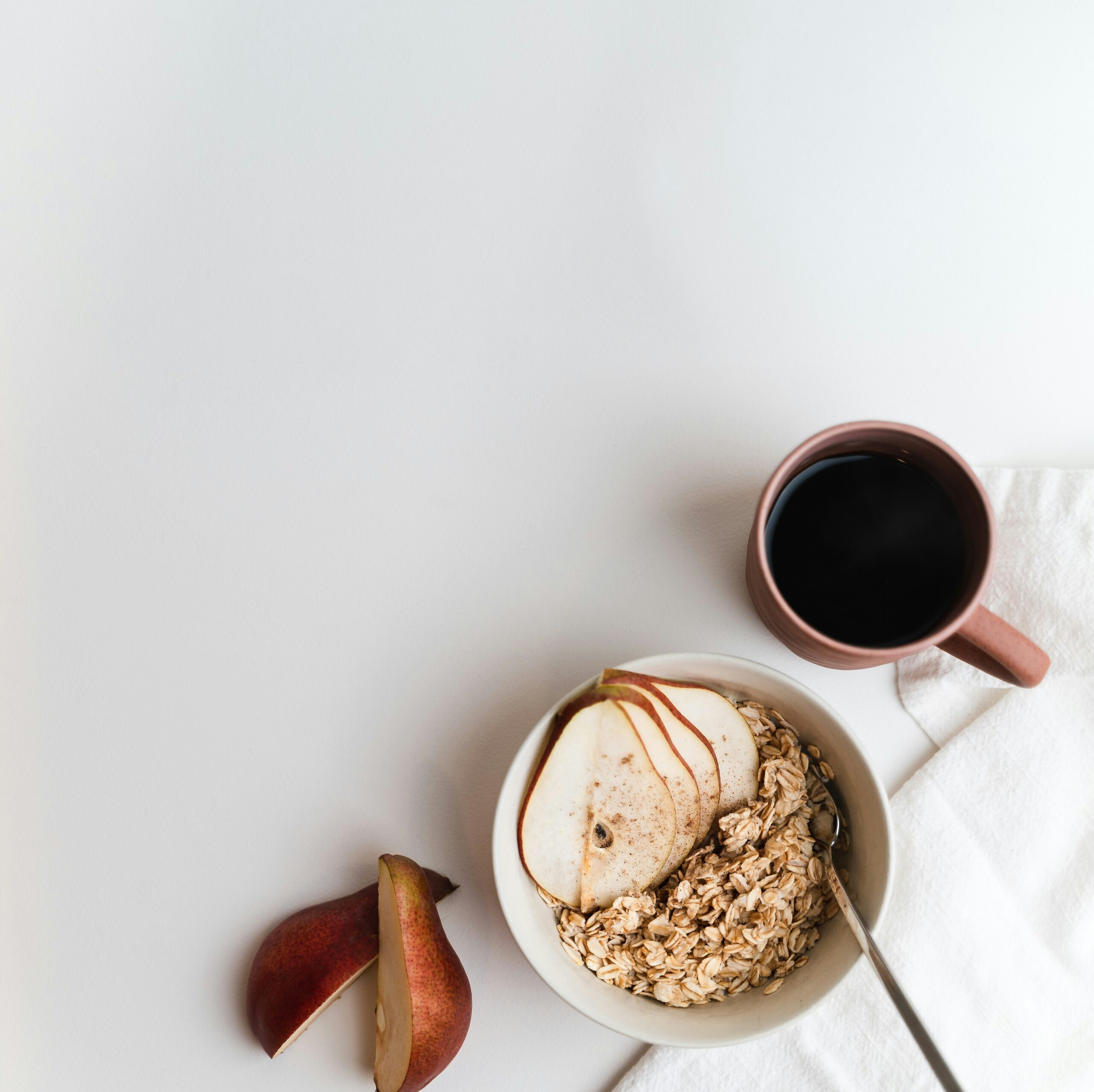
Fiber helps support regular bowel movements, but increasing it too quickly can worsen gas and bloating. Gradually add fiber rich foods, such as:
- Oatmeal and whole grains
- Berries, pears, apples, and kiwi
- Vegetables, beans, and lentils
- Chia seeds and ground flaxseeds
Choose foods that work for your preferences and digestive system. A nutritionist can help you find options that fit your needs.
2. Prioritize Hydration
Drinking enough water helps soften stools and makes them easier to pass. Sip fluids throughout the day, especially as you increase your fiber intake. Follow your healthcare professional’s guidance if you need to limit fluids.
3. Eat Regular, Balanced Meals
Reduced appetite can make it harder to get enough nutrients. Aim to include protein, carbohydrates, healthy fats, and fiber rich foods in your meals. If larger portions cause discomfort, try smaller meals and snacks throughout the day.
4. Find Movement That Works for You
Physical activity can support regular bowel movements. Short walks, gentle stretching, or other activities you enjoy can help. Focus on a routine that fits your lifestyle and feels manageable.
Why Work With a Nutritionist While Taking GLP-1 Medication?
GLP-1 medications can affect everyone differently, making personalized nutrition support especially helpful. A nutritionist can help you manage digestive symptoms, meet your nutritional needs, and build sustainable habits.
- Manage digestive symptoms: Identify foods and meal sizes that work best for your body without unnecessarily eliminating entire food groups.
- Meet your nutritional needs: Reduced appetite can make it harder to get enough protein, fiber, vitamins, and minerals. A nutrition professional can help you plan balanced meals that support your health and energy while catering to your preferences.
- Build a balanced relationship with food: Changes in hunger and fullness can make it difficult to know whether you are eating enough. Nutrition counseling can help you develop consistent eating habits without unnecessary restriction or guilt.
What Happens When You Stop Taking GLP-1 Medication?
After stopping GLP-1 medication, your appetite may increase, and some people regain weight. Building sustainable habits during treatment can help support your health as your needs change.
A nutritionist can help you create a realistic plan that includes balanced meals and adequate protein and fiber, while also supporting consistent movement and healthy sleep habits. These small, sustainable changes can benefit your overall well-being, focusing on more than just weight, including your energy, digestive health, and relationship with food.
Build a Nutrition Plan That Works for You
Managing constipation and other GLP-1 side effects involves more than changing what you eat. It is about finding an approach that supports your digestion, meets your nutritional needs, and fits your lifestyle.
At Plenish Nutrition, personalized nutrition therapy can help you navigate changes in appetite, improve digestive comfort, and build sustainable habits during and after medication use. With the right support, you can feel more confident in your nutrition choices and work toward your long-term health goals.
Common FAQs
How common is constipation with GLP-1 medications?
Constipation is a common side effect of medications like semaglutide and tirzepatide. Symptoms vary by medication, dose, and individual.
What foods help relieve constipation on GLP-1 medications?
Fiber rich foods like oats, berries, kiwi, vegetables, beans, and whole grains may help. Drink enough water and increase fiber gradually to avoid worsening bloating.
Can a nutritionist help with GLP-1 side effects?
Yes. A nutritionist or registered dietitian can help you manage digestive symptoms, meet your nutritional needs, and develop sustainable eating habits alongside your medical care.
How can I maintain my weight after stopping GLP-1 medication?
Appetite may increase after stopping medication, and some people regain weight. Balanced meals, regular movement, adequate sleep, and personalized nutrition support can help you maintain healthy habits. Always discuss medication changes with your prescribing healthcare professional.
Ready to Work With a GLP-1 Nutritionist to Help Manage Your Constipation?
We hope this helped you better understand the connection between GLP-1 medication and constipation, as well as how a nutritionist can potentially help you.
At Plenish, our team of virtual nutritionists cuts through the noise with science-based nutrition support that’s sustainable and realistic. No cookie-cutter solutions here, just expert guidance to help you stay nourished and care for your changing body in the healthiest way possible.
Our dietitians specialize in using functional nutrition to help guide you in your health journey. All of our practitioners are Licensed Dietitian-Nutritionists (LDNs), Certified Nutrition Specialists (CNS), and Registered Dietitians (RDs) and they each hold a master’s-level degree in nutrition.
We are in-network with Aetna, UnitedHealthcare, Cigna, and BCBS. If your insurance isn’t listed here, don’t worry you can still see us! Out-of-network sessions may be partially reimbursable by your insurance.
You can go here to learn more about what working with us looks like or go here to book your complimentary call with us.
Psst… don’t forget to grab our FREE Nutrition 101 Guide! This free guide blends functional medicine and intuitive eating to help you support your hormones, digestion, and energy through consistent, compassionate nourishment.
With this guide, you’ll learn how to:
- Create a structure that supports, not restricts
- Understand the link between your nutrition, mood, and metabolism
- Build habits that feel calm, sustainable, and evidence-based