Many people come to us asking if they should try an anti inflammatory diet for perimenopause, and the answer is absolutely! But it’s not what you think. You don’t need to a cut everything out diet – instead, we will walk you through what it could look like to support yourself with an anti inflammatory diet without feeling like you’re missing out on life.
Hot flashes, mood swings, trouble sleeping, low energy, or changes in your weight any of these sound familiar? You may be experiencing some of the common symptoms of perimenopause. This stage of life can bring changes that leave you feeling unlike yourself, but you do not have to navigate them alone, nor are you “stuck” feeling unlike yourself.
The good news is that there are ways to support your body through this new chapter of life. Nutrition is one place to start. An anti-inflammatory diet focuses on nourishing your body with a variety of nutrient-rich foods that support your overall health, energy, and well-being. Alongside healthy lifestyle habits, balanced nutrition can help you feel more supported in your body as it begins to change.
Although nutrition cannot eliminate every perimenopause symptom, a balanced eating pattern, along with regular movement, quality sleep, and stress management, can all help you to support your health during this phase.
What Is Perimenopause and Why Does It Affect the Body?
Perimenopause is the stage leading up to menopause in women, when reproductive hormone levels, particularly estrogen, begin to fluctuate. These changes can affect several systems throughout the body, which is why symptoms may extend beyond changes in the menstrual cycle.
Some common perimenopause symptoms you may feel:
- Hot flashes and night sweats
- Changes in sleep and energy levels
- Mood changes, irritability, or increased anxiety
- Changes in body composition and weight distribution
- Brain fog or difficulty concentrating
- Joint discomfort and changes in physical recovery
- Changes in digestion or bowel habits
Not everyone will experience these symptoms in the same way, and the severity/intensity of the symptoms can vary over time and from woman to woman. Hormone fluctuations, sleep, stress, activity levels, existing health conditions, and other lifestyle factors influence how you feel.
This is where nutrition can become an important part of your overall approach to perimenopause.
What Is an Anti Inflammatory Diet?
Inflammation helps the body respond to injury and fight infection, and it is a normal part of our body’s immune system. However, persistently low levels of inflammation are associated with an increased risk of several chronic health conditions.
An anti-inflammatory diet is not a specific meal plan or a list of foods that you must avoid. Instead, it is an overall eating pattern that emphasizes a variety of minimally processed, nutrient-dense foods, including vegetables, fruits, whole grains, legumes, nuts, seeds, and healthy sources of fat. A balanced approach can help support consistent energy, healthy digestion, brain function, and long-term health.
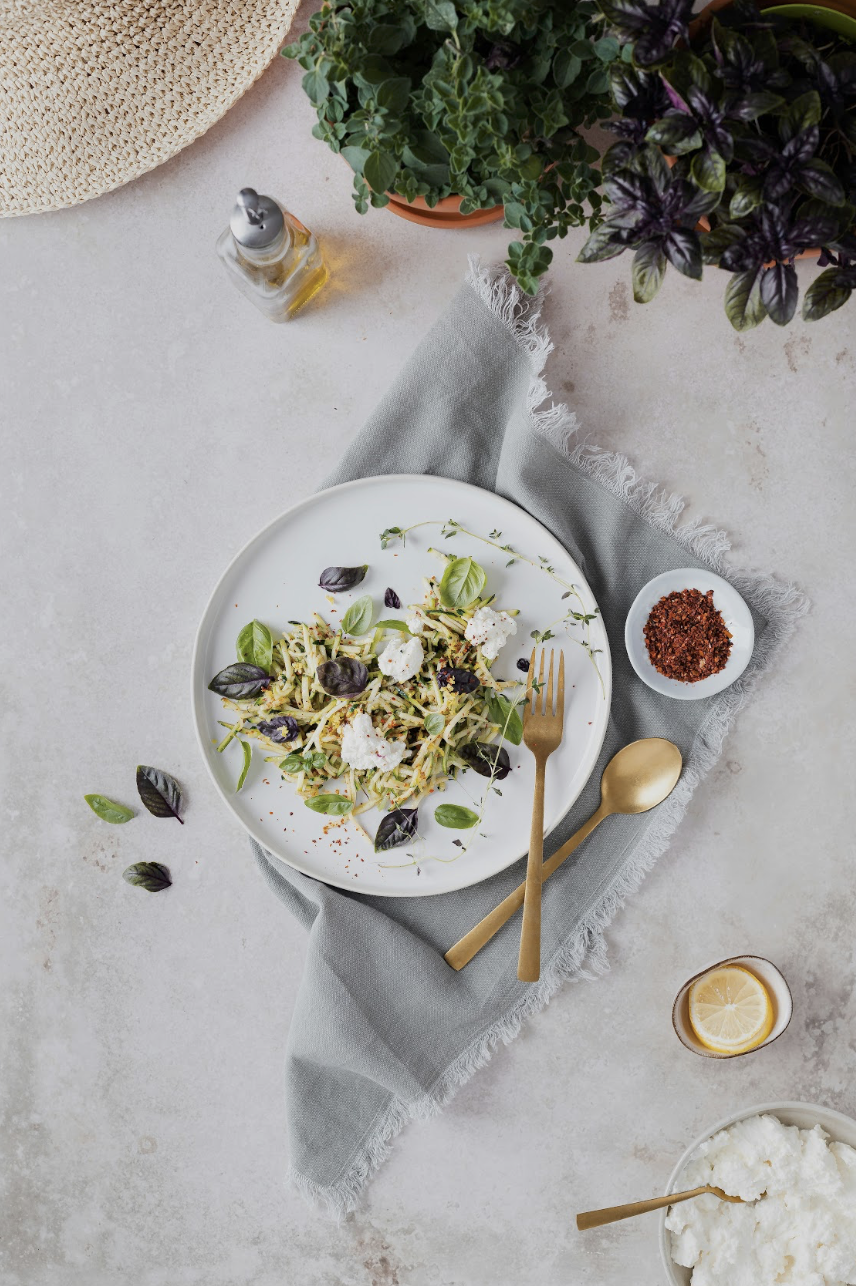
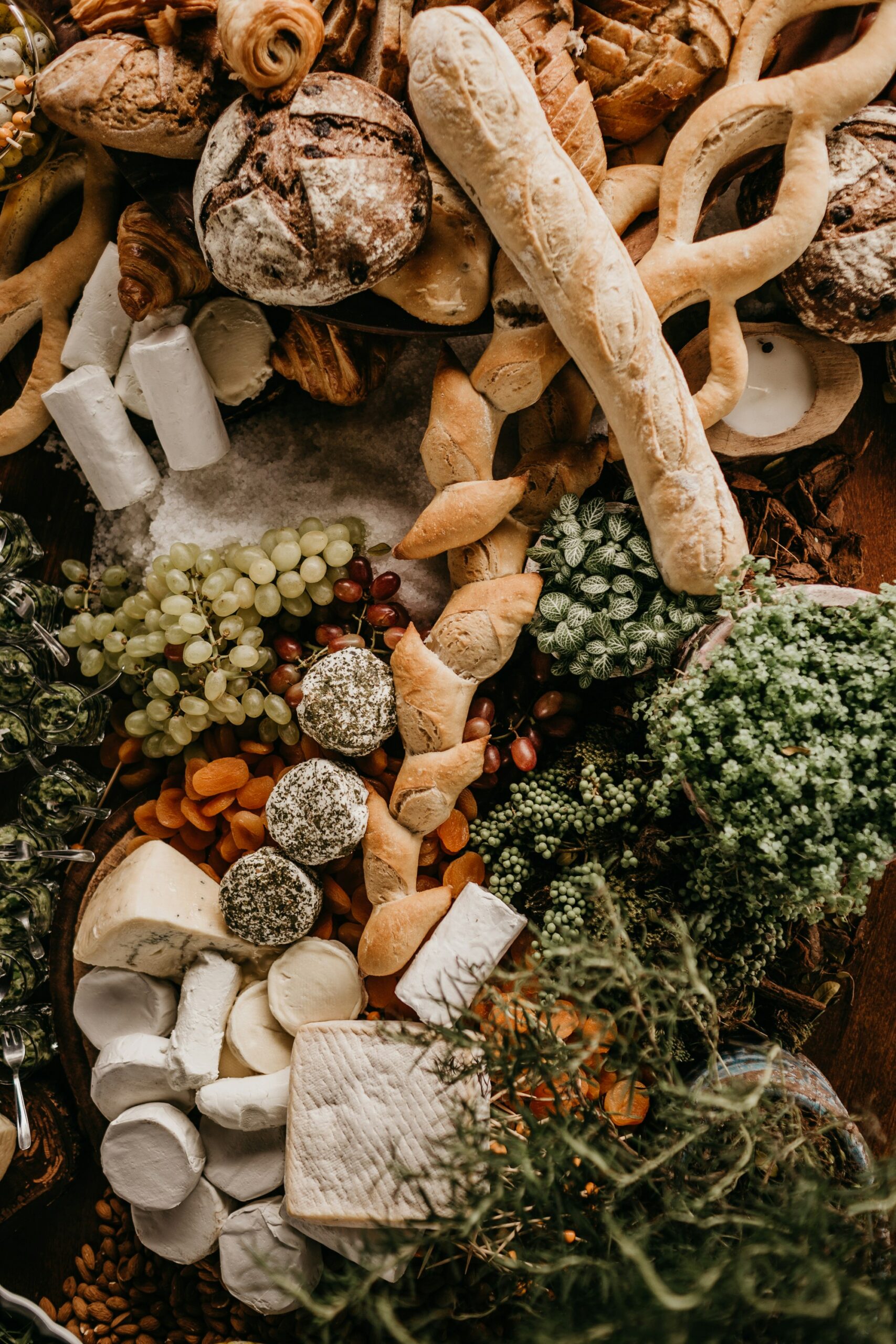
A Mediterranean style eating pattern is one example. It emphasizes plant foods, olive oil, whole grains, beans, fish, and other nourishing foods that provide a wide range of nutrients.
The goal is not to make every meal perfect. It is to create a balanced way of eating that consistently provides the nutrients your body needs.
How Can an Anti-Inflammatory Diet Support My Symptoms?
During perimenopause, hormonal changes can affect everything from your energy and mood to digestion, bone health, and cardiovascular health. While nutrition cannot eliminate every symptom, an anti-inflammatory diet can help support your body by providing the nutrients it needs during this transition.
Here are some food groups to focus on:
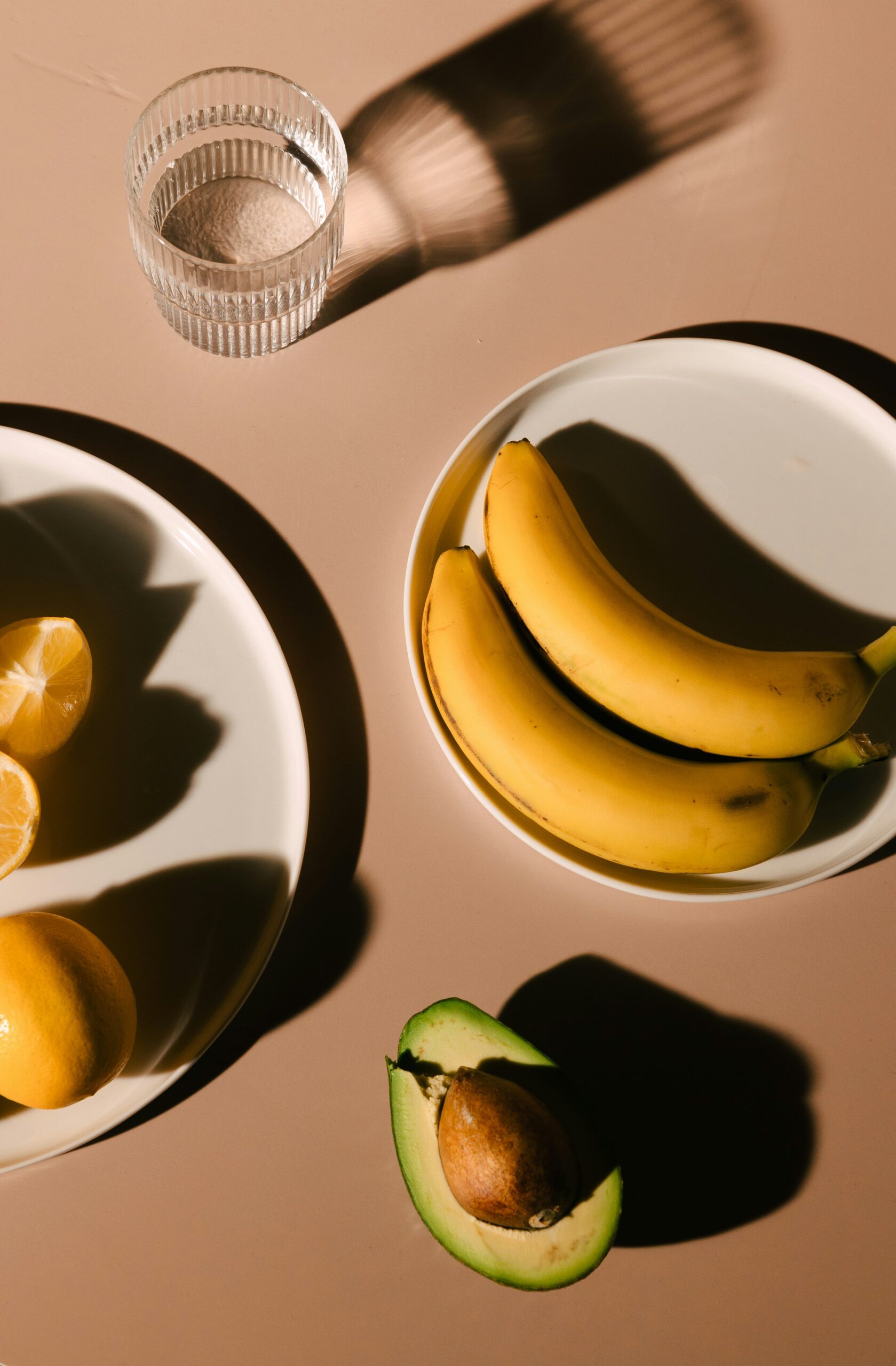
- Fruits and vegetables: Berries, oranges, apples, leafy greens, broccoli, and peppers provide fiber, vitamins, minerals, and antioxidants that support overall health.
- Protein rich foods: Eggs, chicken, fish, Greek yogurt, tofu, beans, and lentils provide protein to help maintain muscle and support normal body functions.
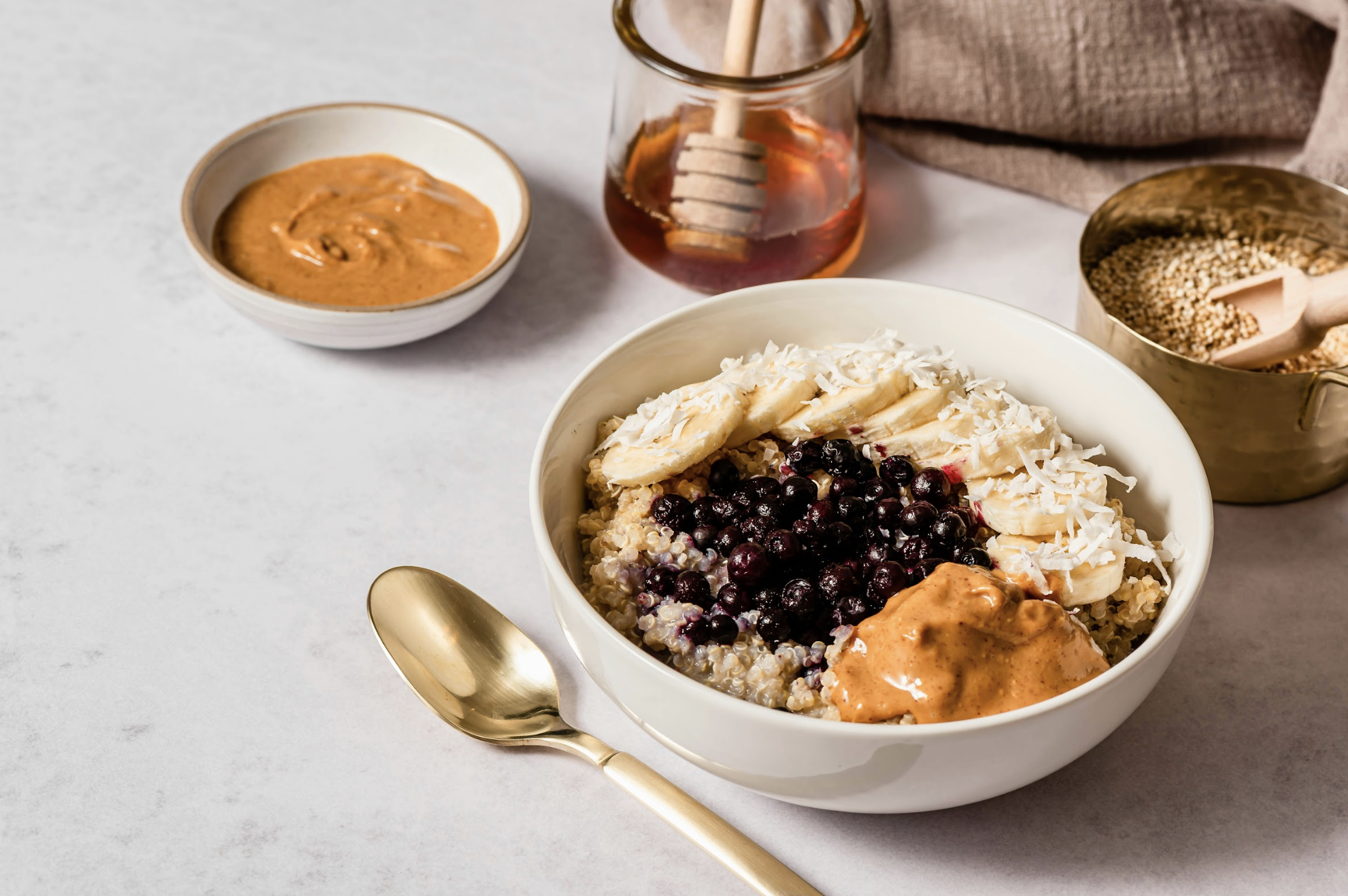
- Whole grains and fiber rich carbohydrates: Oats, quinoa, brown rice, whole grain bread, beans, and lentils provide energy and fiber to support digestion, gut health, and healthy cholesterol levels.
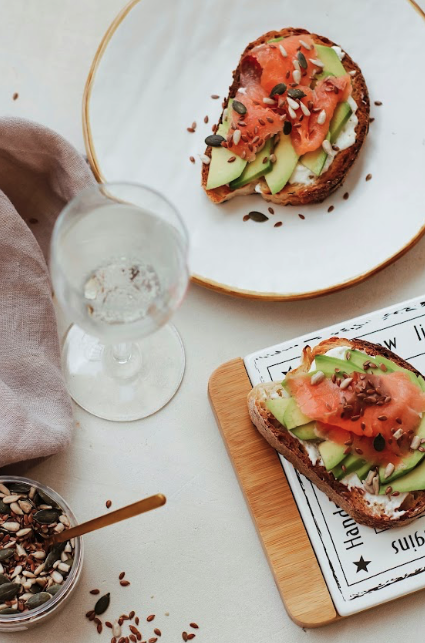
- Healthy fats and omega 3s: Olive oil, avocado, walnuts, chia seeds, flaxseeds, salmon, and sardines provide healthy fats that support brain and cardiovascular health.
- Calcium and vitamin D sources: Milk, yogurt, cheese, calcium-fortified plant-based milks, fatty fish, and fortified foods help support bone health, which becomes especially important as estrogen levels decline.
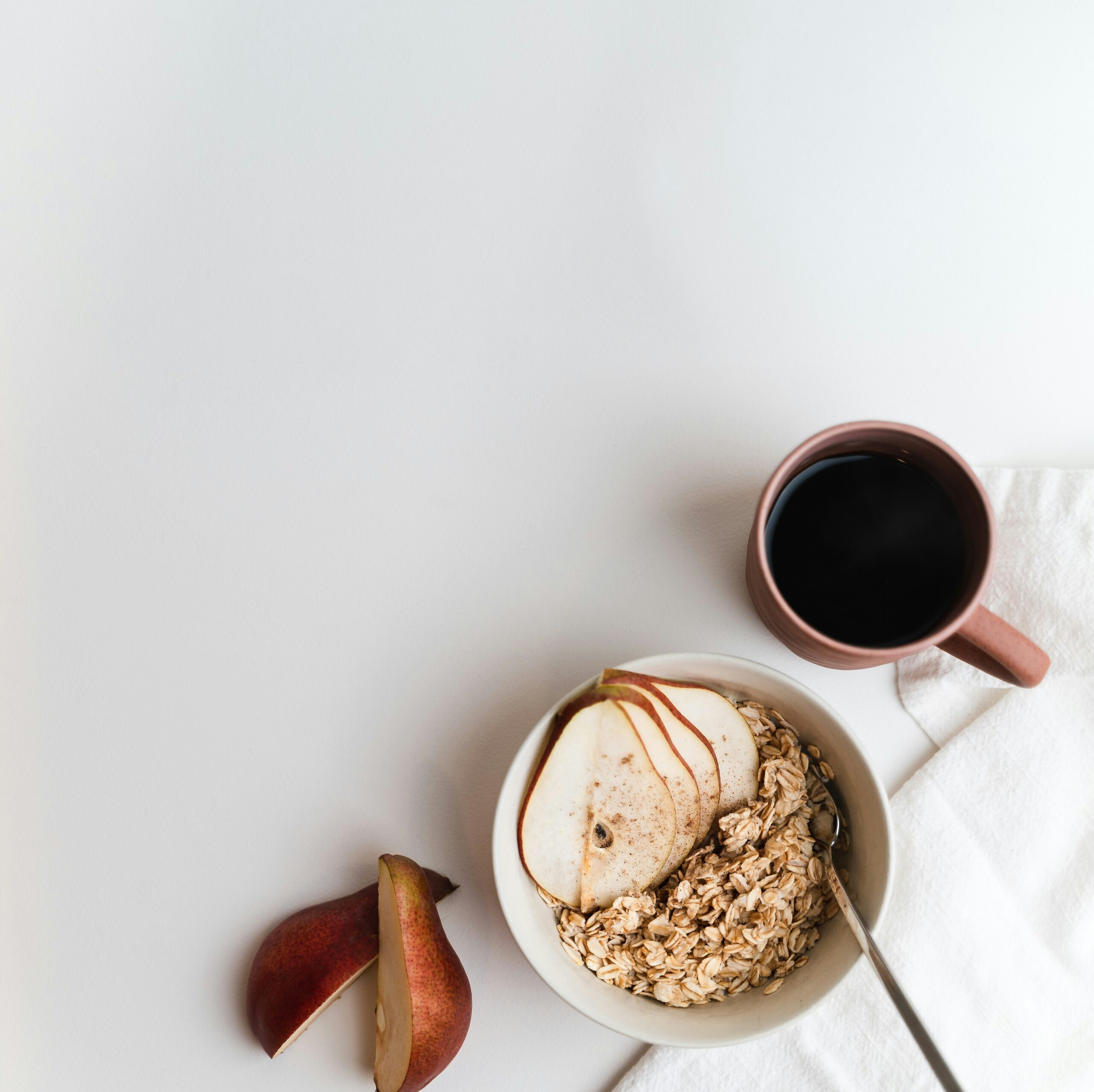
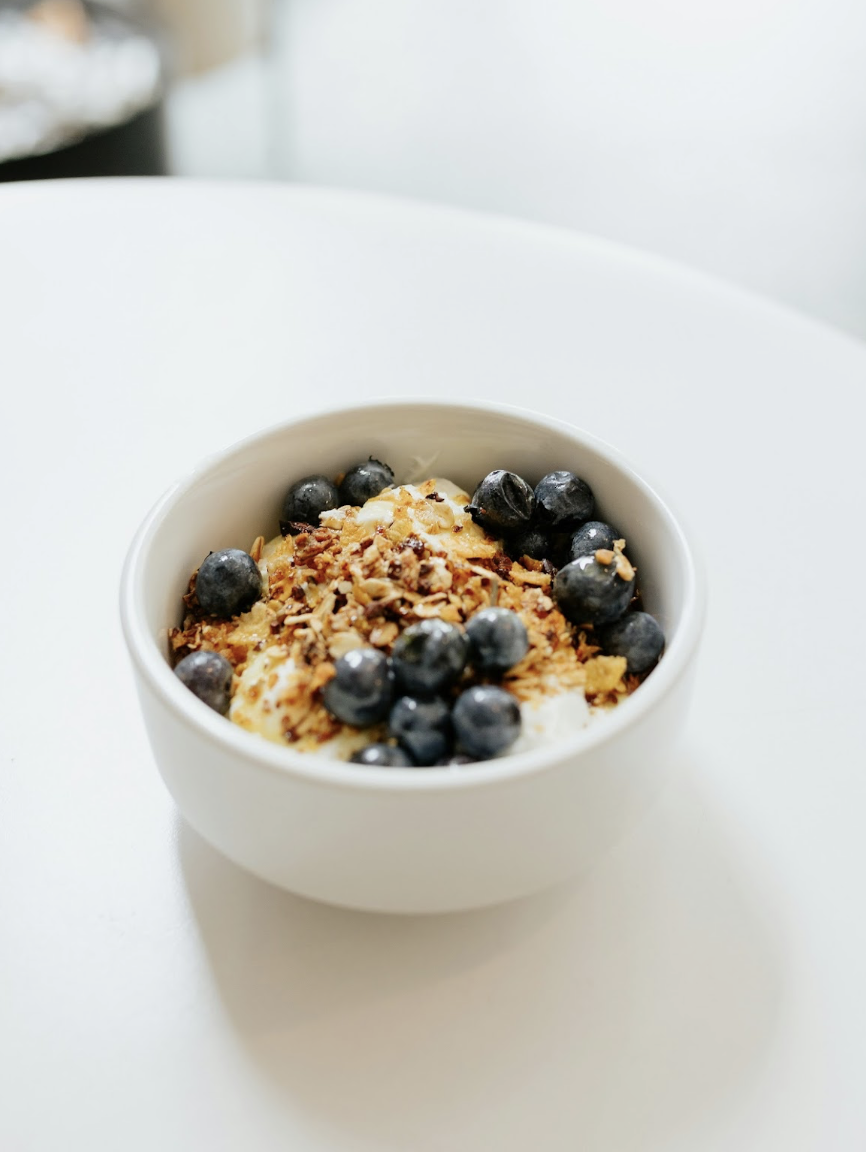
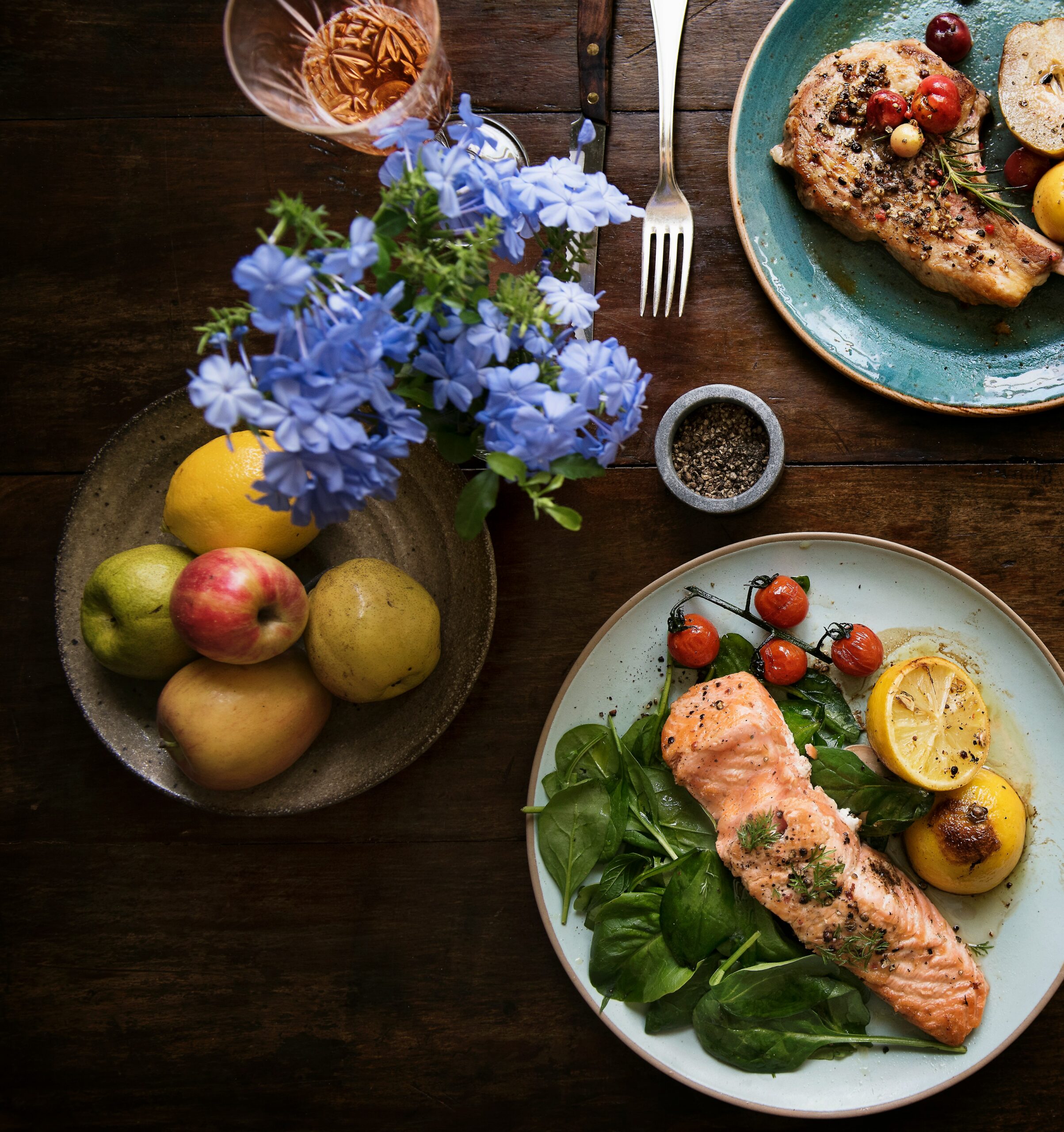
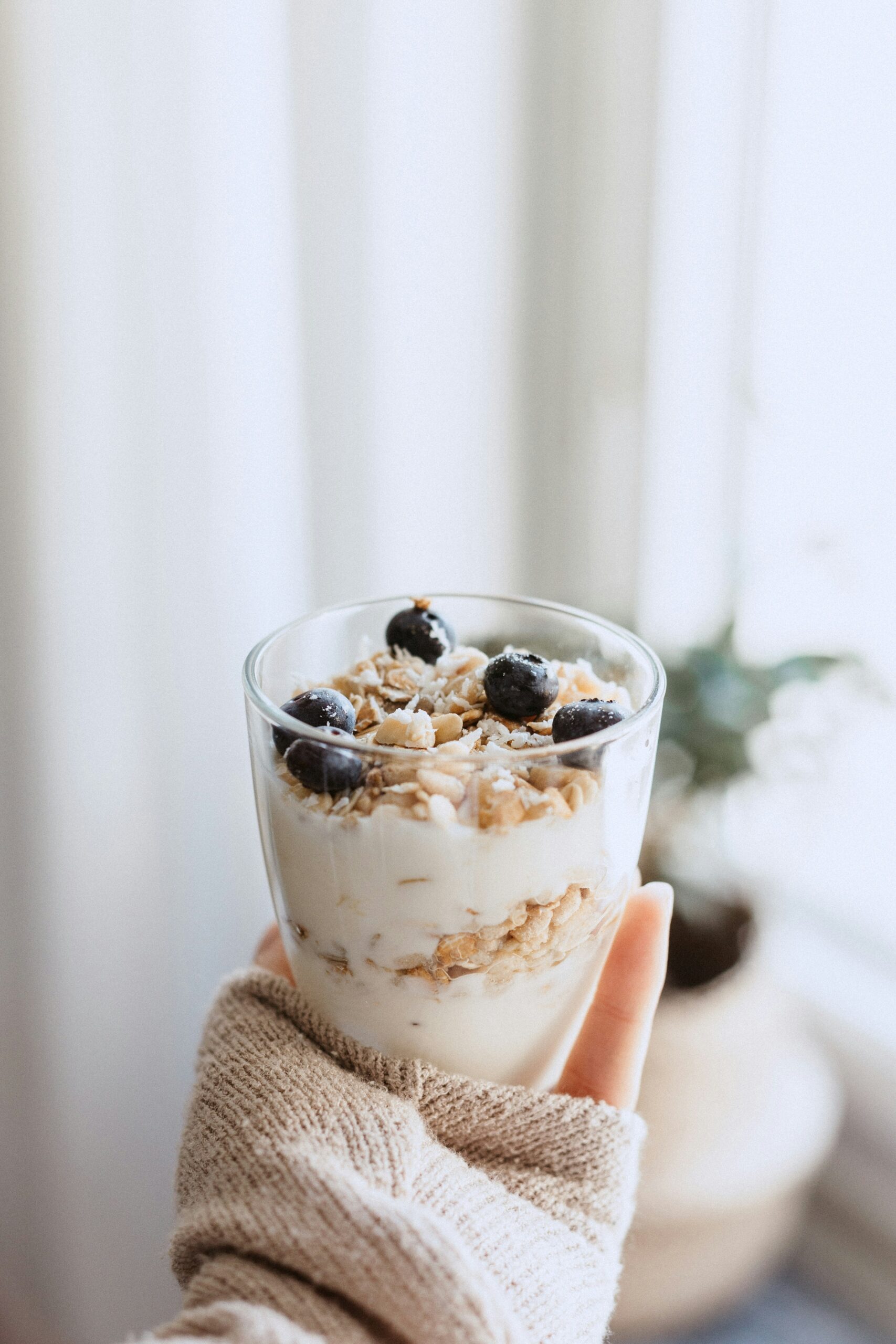
Building balanced meals with a combination of these foods can also help you feel satisfied and maintain energy throughout the day. For example, oatmeal with Greek yogurt, berries, and chia seeds provides protein, fiber, carbohydrates, and healthy fats. A meal with salmon, quinoa, and roasted vegetables offers a similar balance of nutrients.
Just as important as focusing on anti-inflammatory foods, eating enough and eating consistently matter. Skipping meals, undereating, or unnecessarily restricting foods can make it harder to meet your nutritional needs.
Are There Foods You Should Avoid?
No, there is no universal list of foods that every woman needs to avoid during perimenopause. A more useful approach is to focus on what you can add to your diet before deciding whether anything needs to be reduced.
Eating a lot of highly processed foods, added sugars, or foods high in saturated fat may make it harder to follow a nutrient-rich eating pattern if these foods regularly replace more nourishing options. However, enjoying these foods occasionally does not undo your progress or mean you are eating poorly. Eating in balance means nourishing your body with those whole foods while still making room for the foods you love and enjoy.
Rather than automatically eliminating these foods, pay attention to your own experience.
Lifestyle Habits That Work Alongside Nutrition
Nutrition is just one piece of the puzzle when it comes to feeling your best during perimenopause. Prioritizing sleep, regular movement, and stress management can also support your overall health and well being.
Focus on habits that fit naturally into your daily routine, such as maintaining a consistent sleep schedule, enjoying activities like walking or strength training, and making time to relax or connect with loved ones. You do not need to change everything at once or turn wellness into another full time job. Start with one or two small, realistic changes and build from there.
Consistency matters more than perfection, and the best habits are the ones that work for you
How a Nutritionist Can Help During Perimenopause
Online nutrition advice can be confusing, especially when you see conflicting recommendations about hormones, inflammation, supplements, and foods you need to eliminate.
Working with a nutritionist can help you understand your individual nutritional needs and create a plan that fits your health history, preferences, lifestyle, and symptoms…something more sustainable, not just trying to keep up with the latest trends.
A dietitian can help you assess your overall dietary pattern, identify potential nutrient gaps, and build balanced meals. They can also help you navigate questions about protein, fiber, calcium, vitamin D, and other nutrients that may be important for you during this time.
A personalized approach is important because there is no single diet that works for every woman who goes through perimenopause. Your needs may change based on your symptoms, activity level, medical history, medications, and nutritional intake.
Frequently Asked Questions About an Anti Inflammatory Diet for Perimenopause
Can an anti-inflammatory diet help with perimenopause symptoms?
A balanced, nutrient-rich eating pattern can support overall health during perimenopause, including cardiovascular health, bone health, digestion, and adequate energy intake. However, research does not establish that an anti-inflammatory diet will reliably relieve every perimenopause symptom. Results vary, and some symptoms may require additional medical treatment.
What are the best foods to eat during perimenopause?
Aim for a variety of vegetables, fruits, whole grains, beans, lentils, nuts, seeds, healthy fats, and protein rich foods such as eggs, fish, poultry, tofu, and yogurt. Include sources of calcium and vitamin D to support bone health. The best choices are foods you enjoy, tolerate, and can eat consistently.
What foods should you avoid during perimenopause?
Most women do not need to follow a strict elimination diet. Pay attention to whether alcohol, caffeine, spicy foods, or other specific foods seem to worsen your symptoms. Focus first on building a balanced eating pattern rather than creating a long list of forbidden foods…you can make room for everything you enjoy.
Should you take supplements during perimenopause?
Not everyone needs supplements. Whether a supplement is appropriate depends on your dietary intake, health history, medications, symptoms, and any identified nutrient gaps. Calcium, vitamin D, and other nutrients may be important to assess, but supplements should be individualized rather than automatically added to a routine. A dietitian or healthcare professional can help determine what makes sense for you.
Supporting Your Body Through Perimenopause
An anti-inflammatory diet for perimenopause is not about following strict rules, cutting out your favorite foods, or finding one ingredient that fixes everything. It is about eating a variety of foods, meeting your nutritional needs, and creating habits that support your health over time.
When balanced nutrition is paired with regular movement, quality sleep, stress management, and appropriate medical care, it can become part of a well rounded approach to navigating perimenopause.
Ready to Work With a Perimenopause Nutritionist?
We hope this helped you better understand the connection between an anti-inflammatory diet and perimenopause, as well as how a perimenopause nutritionist can help you.
At Plenish, our team of virtual nutritionists cuts through the noise with science-based nutrition support that’s sustainable and realistic. No cookie-cutter solutions here, just expert guidance to help you stay nourished and care for your changing body in the healthiest way possible.
Our dietitians specialize in using functional nutrition to help guide you in your health journey. All of our practitioners are Licensed Dietitian-Nutritionists (LDNs), Certified Nutrition Specialists (CNS), and Registered Dietitians (RDs), and they each hold a master ’s-level degree in nutrition.
We are in-network with Aetna, UnitedHealthcare, Cigna, and BCBS. If your insurance isn’t listed here, don’t worry you can still see us! Out-of-network sessions may be partially reimbursable by your insurance.
You can go here to learn more about what working with us looks like or go here to book your complimentary call with us.
Psst… don’t forget to grab our FREE Nutrition 101 Guide! This free guide blends functional medicine and intuitive eating to help you support your hormones, digestion, and energy through consistent, compassionate nourishment.
With this guide, you’ll learn how to:
- Create a structure that supports, not restricts
- Understand the link between your nutrition, mood, and metabolism
- Build habits that feel calm, sustainable, and evidence-based