Have you recently found yourself dealing with sudden bloating, heartburn, or an unpredictable stomach? These symptoms you’re experiencing might be connected to perimenopause. The connection between digestive issues and perimenopause is rarely discussed, but if your digestion is suddenly unpredictable, it could be because of perimenopause.
As you approach your 40s and 50s, your body goes through numerous changes, and your digestive system is one of the first areas affected. Keep reading to learn more about the connection between digestive issues and perimenopause!
What You Need to Know About Digestive Issues and Perimenopause
While many symptoms are linked to perimenopause, digestive issues are often overlooked as being connected to perimenopause. But… digestive issues are actually very common to experience during perimenopause because of the changes with your fluctuating estrogen and progesterone levels. These hormonal shifts affect your gut movements, microbiome, and the stomach-brain connection, which can lead to bloating, constipation, and acid reflux.
Here’s a breakdown of how hormones affect your digestion:
- Slower gut movements: Lower progesterone levels can slow down your digestive muscles, making food pass through your system at a sluggish pace. This often leads to constipation.
- Shifts in your microbiome: As estrogen declines, the diversity of your gut bacteria changes. This can trigger new food sensitivities and uncomfortable bloating.
- Stomach-brain connection: Hormonal shifts can make the nervous system in your gut more sensitive and reactive to stress and pain.
Signs Your Gut May Be Reacting to Hormonal Change Caused by Perimenopause
- Constipation or irregular bowel movements
- A sense of incomplete emptying
- Food sensitivities that feel new or unpredictable
- Abdominal discomfort or cramping
Nutrition Tips for Alleviating Digestive Issues During Perimenopause
We wanted to share some helpful nutrition tips with you from our team but before implementing any of these changes we always encourage you to see professional guidance first before making major dietary changes.
When it comes to soothing a perimenopausal gut, your focus should be on fiber, hydration, and gut balance. Here are specific steps you can take:
Fiber and Gut Balance
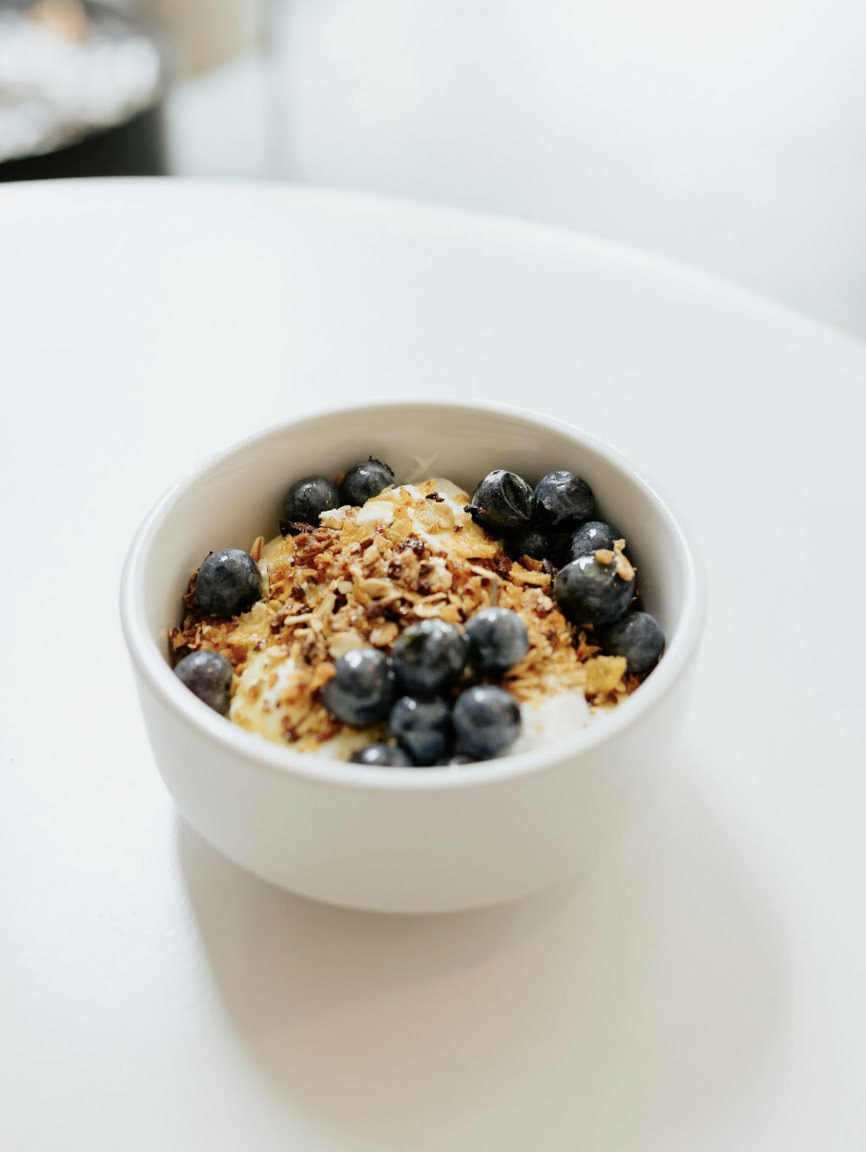
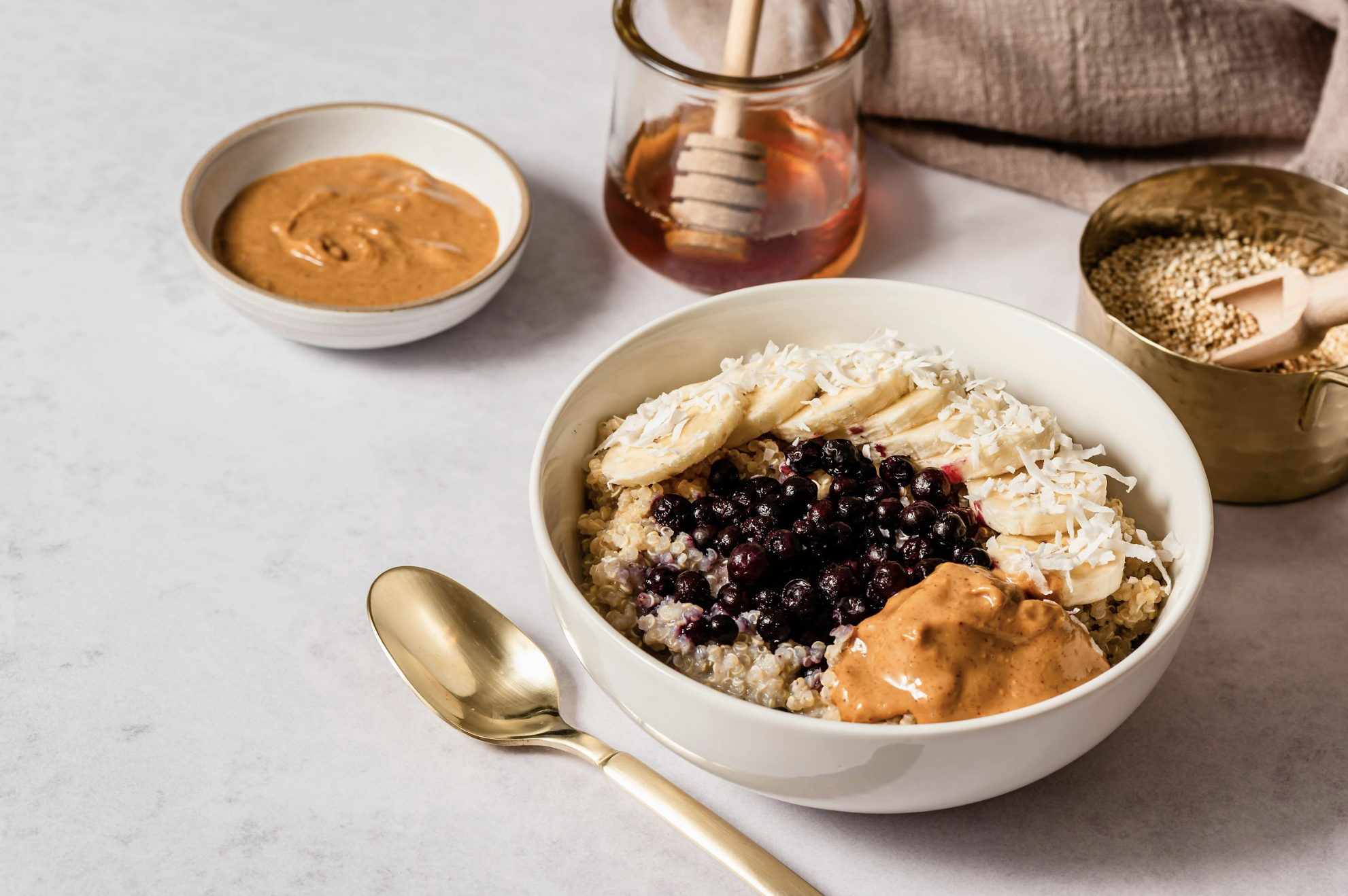
- Eat soluble fiber: Oats, chia seeds, and cooked vegetables are excellent sources that ease bloating and regulate digestion.
- Add fermented foods: Yogurt, kefir, and sauerkraut all naturally support a healthy gut microbiome.
- Choose whole grains: Swap refined carbs for brown rice, quinoa, and whole wheat bread to stabilize your blood sugar and aid digestion.
Hydration and Eating Habits
- Drink plenty of water
- Eat smaller meals: Enjoying smaller, more frequent meals rather than big meals helps reduce some of the pressure on your stomach.
- Take slower bites: Chew your food thoroughly and eat mindfully so your body can break it down more efficiently.
Working With a Nutritionist Specializing in Perimenopause
A perimenopause nutritionist is a professional who specializes in managing your symptoms through dietary changes, supplement advice, and lifestyle changes. We will help you optimize your metabolic function, address nutrient deficiencies, and help you manage any symptoms you are experiencing.
By working with us at Plenish, you’ll receive direct guidance from a nutritionist on our team who specializes in perimenopause. We will help you manage hormonal shifts through personalized dietary changes. We’ll also focus on stabilizing your blood sugar, easing hot flashes, reducing inflammation, and proactively protecting your muscle and bone density.
FAQ’s
Will Hormone Replacement Therapy (HRT) fix my stomach issues?
While HRT is highly effective for symptoms like hot flashes and bone density loss, its impact on digestion varies. Some women find that stabilizing their hormones with HRT significantly improves their gut motility and reduces bloating. However, for others, certain forms of HRT (like oral estrogen) might temporarily cause mild stomach discomfort. What you experience might be different from other women.
Could my gut issues be a sign of a thyroid problem instead of perimenopause?
Yes. Thyroid issues, particularly hypothyroidism (underactive thyroid), are very common in women in their 40s and 50s and share many overlapping symptoms with perimenopause. A sluggish thyroid can directly cause severe constipation, bloating, and fatigue. To correctly diagnose if you have a thyroid problem, you’ll want to go to your primary caregiver. They’ll be able to issue you a blood test and confirm if what you’re experiencing is a thyroid issue or perimenopause.
How long will these new digestive symptoms with perimenopause last?
The perimenopausal transition typically lasts anywhere from 4 to 10 years. For many women, digestive symptoms peak during the years with the most erratic hormone fluctuations. The good news is that once you reach menopause (officially 12 months without a period) and your hormones stabilize at their new baseline, these digestive issues often resolve on their own.
Ready to Work With a Perimenopause Nutritionist to Heal Your Digestive System Issues?
We hope this helped you better understand the connection between digestive issues and perimenopause and how a perimenopause nutritionist can potentially help you.
At Plenish, our team of virtual nutritionists cuts through the noise with science-based nutrition support that’s sustainable and realistic. No cookie-cutter solutions here, just expert guidance to help you stay nourished and care for your changing body in the healthiest way possible.
Our dietitians specialize in using functional nutrition to help guide you in your health journey. All of our practitioners are Licensed Dietitian-Nutritionists (LDNs), Certified Nutrition Specialists (CNS), and Registered Dietitians (RDs) and they each hold a master’s-level degree in nutrition.
We are in-network with Aetna, UnitedHealthcare, Cigna, and BCBS. If your insurance isn’t listed here, don’t worry you can still see us! Out-of-network sessions may be partially reimbursable by your insurance.
You can go here to learn more about what working with us looks like or go here to book your complimentary call with us.
Psst… don’t forget to grab our FREE Nutrition 101 Guide! This free guide blends functional medicine and intuitive eating to help you support your hormones, digestion, and energy through consistent, compassionate nourishment.
With this guide, you’ll learn how to:
- Create a structure that supports, not restricts
- Understand the link between your nutrition, mood, and metabolism
- Build habits that feel calm, sustainable, and evidence-based
Read these next:
What You Need to Know About Estrogen Dominance and Perimenopause